Olivia De Havilland
 USA
USA- Biography of Olivia de Havilland
- Early Life and Career
- Collaboration with Errol Flynn
- Breakthrough Role and Success
- Major Films and Career Achievements
- Personal Life and Feud with Sister
- Later Years and Legacy
- Notable Films
Biography of Olivia de Havilland
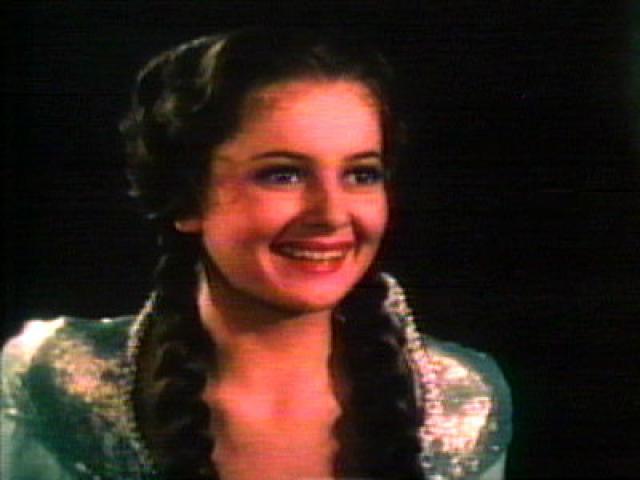
Olivia de Havilland, a legendary American actress, was born on July 1, 1916, in Tokyo, Japan. She is known for leaving an indelible mark on the history of cinema. Her peak of fame came in the 1930s, where she rose to become one of the top Hollywood actresses.

Early Life and Career
De Havilland was born in Tokyo, but she spent most of her childhood in Great Britain after being moved there at a young age. At the age of 25, she became an American citizen and permanently moved to the United States. She started her film career in the 1930s and quickly climbed to the top, becoming one of the best Hollywood actresses of her time.

Collaboration with Errol Flynn
De Havilland's frequent on-screen partner was Errol Flynn. In 1935, she shone in the film "Captain Blood," where she played one of the main roles. In 1936, audiences saw her in "The Charge of the Light Brigade," and in 1938, she became the leading lady in "The Adventures of Robin Hood."
Breakthrough Role and Success
In 1939, de Havilland played one of her most significant and well-known roles in the film "Gone with the Wind." She brilliantly portrayed the character of Melanie Wilkes. This performance solidified her unmatched talent and placed her among the most successful actresses in Hollywood.
Major Films and Career Achievements
During this period, de Havilland delivered her best performances in films such as "Gone with the Wind," "The Private Lives of Elizabeth and Essex," "Dodge City," "The Adventures of Robin Hood," "The Charge of the Light Brigade," "Anthony Adverse," "Captain Blood," and "A Midsummer Night's Dream."
Personal Life and Feud with Sister
Despite her shining career, de Havilland's younger sister, Joan Fontaine, also a well-known actress, felt overshadowed. Their relationship deteriorated after the release of "Gone with the Wind," turning from familial to hostile.
Later Years and Legacy
In the 1950s, de Havilland decided to retire from acting and moved to Paris. However, she couldn't completely give up the film industry and continued to take on various roles. In 2003, she attended the Academy Awards ceremony, and in 2004, she appeared in the documentary film about the legendary movie "Gone with the Wind."
Notable Films
Some of de Havilland's most notable films include "The Snake Pit," "The Fifth Musketeer," "Royal," "Airport 77," "Hush...Hush, Sweet Charlotte," "The Proud Rebel," "Santa Fe Trail," "Gone with the Wind," and "Captain Blood."