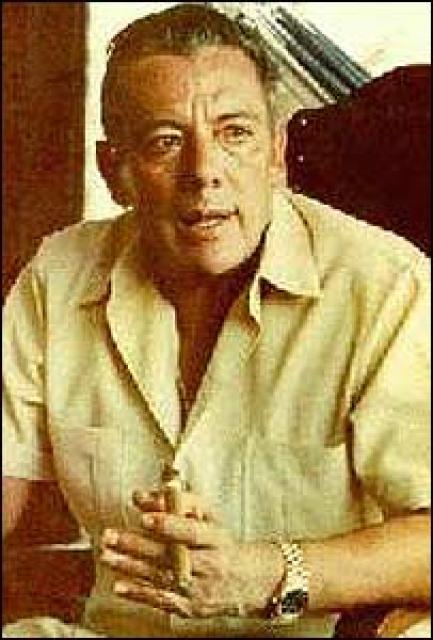
Omar Torrijos
 Panama
Biography of Omar Torrijos
Omar Torrijos was a Panamanian statesman and military leader. He was born into a teacher's family and graduated from a military academy in El Salvador in 1951. Following his graduation, Torrijos joined the Panamanian National Guard in 1952.
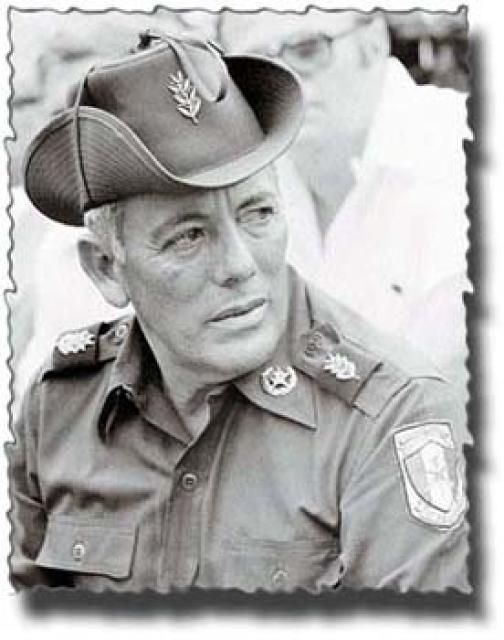
Leader of the National Guard
Torrijos led a group of anti-imperialist and nationalist officers within the National Guard. In October 1968, this group orchestrated a coup d'état, overthrowing the government. Torrijos became the Chief Commander of the National Guard and effectively the leader of Panama, according to the 1972 Constitution.
Head of Government
From 1969 until October 11, 1978, Torrijos served as the head of the government. He implemented various measures during his tenure, such as tax reforms, restructuring the education system, and agrarian reform. Over 250 cooperatives were established on expropriated land, and a new labor code was adopted. Torrijos's government also focused on strengthening Panama's national sovereignty.
Panama Canal Treaties
One of Torrijos's most significant achievements was the signing of the Panama Canal Treaties in 1977. These treaties ensured the return of the Panama Canal Zone to Panamanian jurisdiction. Despite the overthrow of Torrijos's successor, General Manuel Noriega, the treaties were successfully implemented.
Legacy
After retiring from active political life, Torrijos settled in rural areas, spending most of his time in the village of Coclesito. He maintained influence over government officials and frequently consulted with high-ranking visitors. Tragically, Torrijos died in a plane crash under mysterious circumstances. According to one of Manuel Noriega's aides, the plane crash was orchestrated by Noriega.
Despite his untimely death, Torrijos's policies received broad support from the Panamanian people. His government's achievements, such as the tax reforms, education system restructuring, and agrarian reform, were well-regarded. Torrijos's commitment to strengthening Panama's national sovereignty and securing the return of the Panama Canal Zone remains a significant part of his legacy.
His son, Martin Torrijos Espino, went on to win the presidential elections in Panama in 2004 and assumed office on September 1, 2004.


