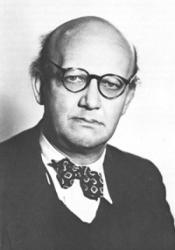
Oskar Jager
 Germany
- The Early Life and Education of the German Historian and Educator
- Director of the Gymnasium in Cologne: A Catalyst for Education
- A Legacy Embodied in His Pupils
- An Enduring Influence: The German Historian as Mentor and Guide
The Early Life and Education of the German Historian and Educator
Born in a time of great intellectual and social upheaval, the future German historian and educator embarked on a journey that would shape his life's work and leave an enduring legacy on the study of history. His name, still unknown, remains lost to the annals of time, but his impact on the world of scholarship cannot be underestimated.
From a young age, he displayed an unquenchable thirst for knowledge and an inquisitive mind that led him to pursue both theology and philology at the prestigious University of Tübingen. The halls of this renowned institution provided him with a fertile ground to explore the intricacies of religion, language, and the human condition.
Director of the Gymnasium in Cologne: A Catalyst for Education
Upon completing his studies, he was appointed as the director of a gymnasium in Cologne, one of Germany's foremost intellectual and cultural centers. In this role, he dedicated himself to fostering a new generation of scholars and critical thinkers. His passion for education extended beyond the classroom walls as he sought to instill in his students a deep appreciation for the complexities of history and the importance of intellectual inquiry.
A Legacy Embodied in His Pupils
Although his own writings have been lost to time, his influence can be seen in the works of his pupils, who carried his teachings into the wider world. Through them, his legacy continues to live on, shaping the understanding of history and inspiring scholars for generations to come.
An Enduring Influence: The German Historian as Mentor and Guide
The German historian's true impact lies not only in his own contributions but also in the profound influence he had on his students. By nurturing their intellectual curiosity and guiding them through the labyrinth of knowledge, he played a pivotal role in shaping the minds that would shape the future of historical scholarship.
As we remember his name and celebrate his contributions, we cannot help but wonder what heights he might have reached had his own writings survived the passage of time. Nevertheless, his spirit lives on in the works of his pupils, a testament to the enduring power of the teacher-pupil relationship and the transformative nature of education.