Oswald Theodore Avery
 USA
USA- Biography of Oswald Theodore Avery
- Work at Rockefeller University Hospital
- Contribution to DNA Research
- Legacy and Recognition
- Archives and Publications
Biography of Oswald Theodore Avery
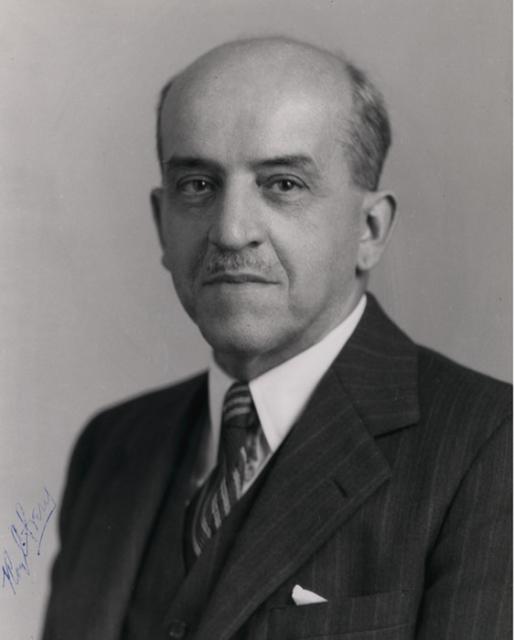
Oswald Theodore Avery was an American molecular biologist, immunologist, and physician. He was born on October 21, 1877, in Halifax, Canada. Avery attended the New York Male Grammar School, followed by Colgate Academy and Colgate University. He pursued a career in medicine at the College of Physicians and Surgeons at Columbia University in New York, where he obtained his medical degree in 1904. Avery became a naturalized US citizen on August 1, 1918.
Work at Rockefeller University Hospital
A significant portion of Oswald Avery's career was associated with Rockefeller University Hospital in New York. He worked there from 1923 until 1948. During this time, Avery became known as one of the co-authors of the Avery-MacLeod-McCarty experiment. In 1944, together with Colin MacLeod and Maclyn McCarty, they demonstrated that DNA carries genetic information. This groundbreaking discovery paved the way for the understanding of genetics and the birth of modern molecular biology.
Contribution to DNA Research
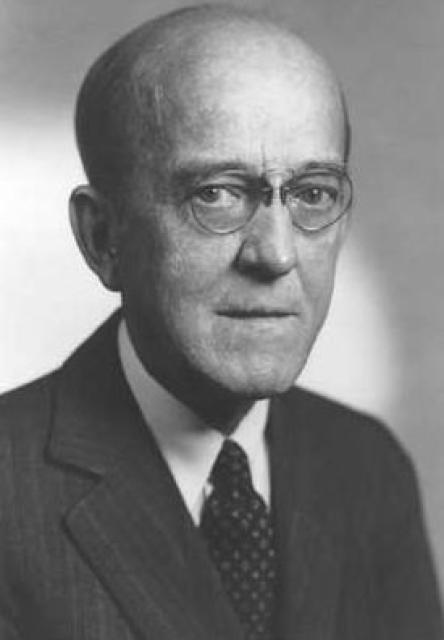
For many years, it was believed that genetic information was contained in proteins. Avery, MacLeod, and McCarty continued the research initiated by Griffith in 1928, studying the phenomenon of heredity. They investigated the possibility of gene transfer between bacteria using various organic compounds extracted from bacteria. Through their experiments, they showed that genes are not carried by proteins but by DNA. This discovery was made by treating bacterial extracts with proteases, which showed that proteins do not carry genes. Subsequently, treating the extracts with deoxyribonucleases (enzymes that destroy DNA) demonstrated that DNA is the carrier of genetic material.
Legacy and Recognition
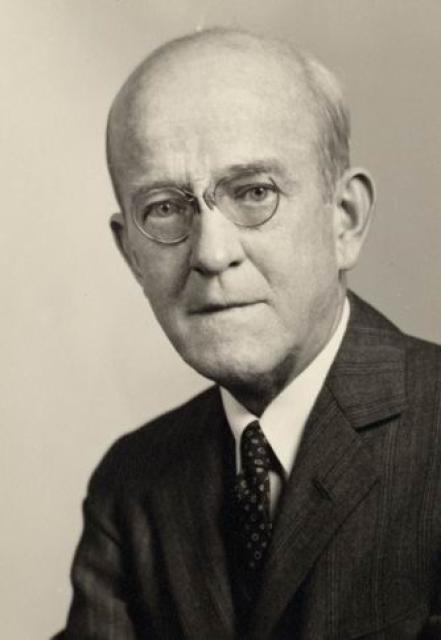
Oswald Avery's contributions to DNA research and his collaboration with colleagues greatly influenced the field of genetics and biomedical sciences. Nobel laureate Joshua Lederberg wrote that Avery and his team laid the foundation for modern DNA research and were instrumental in the molecular revolution in genetics and biomedical sciences. In recognition of his achievements, a crater on the Moon was named after Oswald Avery.
Archives and Publications
Avery's articles and manuscripts are preserved in two locations: the State Library and Archives of Tennessee and the Rockefeller Archive. Many of his articles, poems, and handwritten notes in laboratory journals are available in the Oswald Avery Collection at the National Library of Medicine. One of his most famous articles, demonstrating the role of DNA in storing and transmitting genetic information, can be accessed online under the title "Studies on the Chemical Nature of the Substance Inducing Transformation of Pneumococcal Types" (Journal of Experimental Medicine 79, 2, February 1, 1944: 137—158).