
Owen D. Young
 USA
USA- Biography of Owen Young
- Early Life
- Legal Career
- Role in General Electric
- Radio Ventures
- Dawes Plan and Second Industrial Conference
- Later Life and Legacy
- Owen Young passed away on July 11, 1962, at the age of 87.
Biography of Owen Young
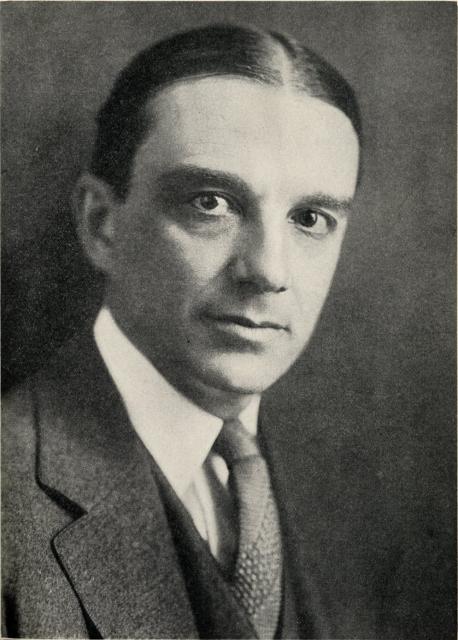
Owen Young was an American industrialist, entrepreneur, lawyer, and diplomat. He is best known as one of the participants of the Second Reparations Conference held in 1929, as well as the founder of the Radio Corporation of America.
Early Life
Owen Young was born in Stark, Herkimer County, New York. He graduated from St. Lawrence University in 1894 and later studied law at Boston University, where he graduated with honors in 1896.

Legal Career
After completing his education, Young joined the legal firm of Charles H. Tyler. Within ten years, he became a full partner in the firm, which was involved in several significant cases. One of these cases involved Young's clients opposing General Electric, which he successfully won, gaining attention from the opposing side. Charles A. Coffin, the first president of General Electric, took notice of Young's talent and invited him to join the company as the chief legal counsel in April 1912.
Role in General Electric
Young quickly rose through the ranks of General Electric and became the president in 1922. In the same year, he was appointed as the chairman of the company. He held these positions until 1939, during which time General Electric's policies underwent significant changes, leading the company to become a leader in the production of household electrical appliances.
Radio Ventures
In 1919, Young created the Radio Corporation of America (RCA) at the request of the government. The government hoped that this company would help regain control of the American radio industry, which was mostly controlled by foreigners at the time. In the mid-1920s, Young also played a role in the establishment of another major radio project, the National Broadcasting Company (NBC).
Dawes Plan and Second Industrial Conference
Young's most famous government project was his involvement in the creation of the Dawes Plan, which reduced Germany's annual reparations payments after World War I. Unfortunately, this plan did not provide significant relief, as Germany still struggled to make payments by the end of the decade. In 1929, Young chaired the Second Industrial Conference, where representatives from various countries gathered to address the German debt issue. As a result of the conference, Germany's debts were reduced and divided into 59 payments. The "Young Plan," as it became known, earned Young the title of "Man of the Year" according to Time magazine. However, the plan was disrupted by the Great Depression.
Later Life and Legacy
In 1932, Young ran for the presidency as a Democrat. Although he did not actively campaign, his friends supported his candidacy. He did not succeed in the party's internal elections. Young retired from his professional career in 1939 and focused on his family farm and dairy farming. He also made significant contributions to the field of education.



