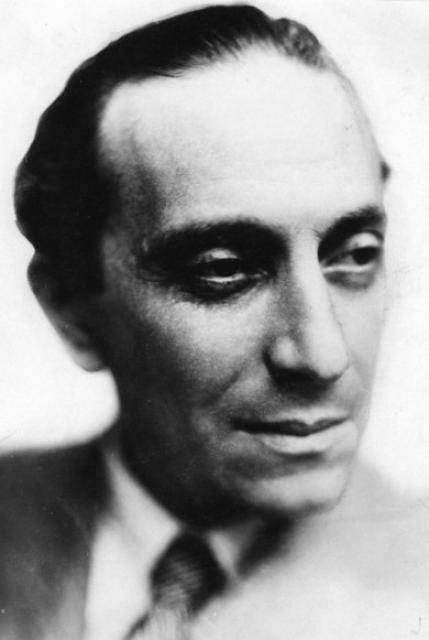
Pal (Paul) Abraham
 Hungary
- Pál Ábrahám: The Hungarian Master of Operetta
- Embracing the Operetta Genre
- International acclaim
- Fleeing Nazi Germany
- Later Years and Legacy
Pál Ábrahám: The Hungarian Master of Operetta
Early Life and EducationBorn in 1892 in Apatin, Austria-Hungary (now Serbia), Pál Ábrahám (also known as Paul Abraham) showed a passion for music from a young age. From 1910 to 1916, he studied at the prestigious Royal National Hungarian Academy of Music in Budapest. While there, he composed several works of sacred music, but these did not garner widespread recognition.
Embracing the Operetta Genre
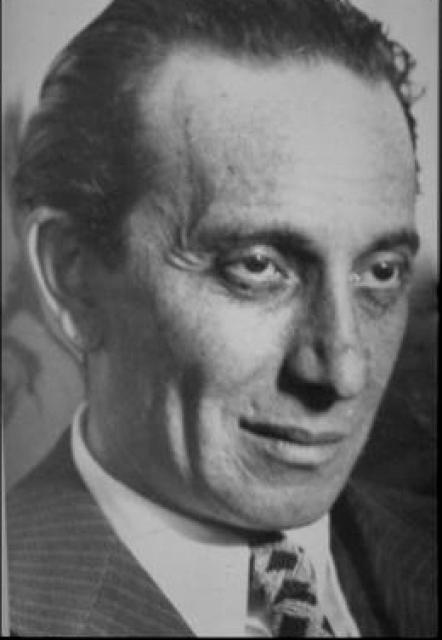
In 1927, Ábrahám was appointed Kapellmeister at the Budapest Operetta Theatre. This appointment marked a pivotal moment in his career as he embraced the genre of operetta with renewed vigor. His first operetta, "Der Gatte des Fräuleins," premiered in 1928 to modest success. However, it was his third operetta, "Viktoria und ihr Husar" (1930), that catapulted him to fame.
International acclaim
The success of "Viktoria und ihr Husar" was followed by a string of acclaimed operettas, including "Die Blume von Hawaii" (1931) and "Ball im Savoy" (1932). These compositions cemented Ábrahám's reputation as a master of the genre, earning him international acclaim and recognition.
Fleeing Nazi Germany
Despite his success, Ábrahám's Jewish heritage forced him to leave Nazi Germany in the early 1930s. He relocated to a succession of cities, including Vienna, Paris, Cuba, and eventually New York City.
Later Years and Legacy
In May 1956, Ábrahám returned to Germany, settling in Hamburg. By this time, his health had deteriorated significantly. On May 6, 1960, Pál Ábrahám passed away, leaving behind a rich legacy of operettas, the most famous of which include "Viktoria und ihr Husar," "Die Blume von Hawaii," and "Ball im Savoy." These works have been adapted into films and continue to be performed around the world, ensuring that Ábrahám's musical genius will forever be remembered.




