Paschal II
- From monastery to the papacy
- The struggle over investiture
- Capture, compromise, and renewed resistance
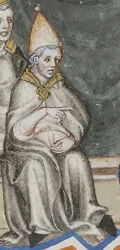
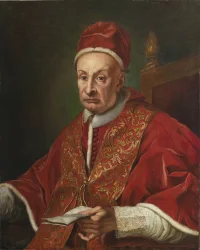
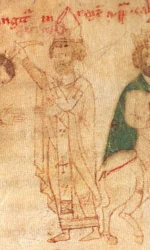
Paschal II spent nearly two decades at the center of the Investiture Controversy, the struggle over whether kings and emperors could appoint bishops and grant them the symbols of office. A former monk, he became pope in 1099 and tried to defend church independence while navigating the political realities of rulers who controlled land, armies, and local appointments. His most dramatic confrontation came with Emperor Henry V, who captured him and forced a temporary compromise.
From monastery to the papacy
Born Ranieri around the middle of the eleventh century, Paschal came from Bieda, near Viterbo in central Italy. He became a monk at Cluny, the influential Benedictine abbey associated with church reform, and was later made a cardinal by Pope Gregory VII. When Urban II died in 1099, Ranieri was elected pope and took the name Paschal II.
The reform movement sought to free church appointments from secular control. Kings and emperors, however, viewed the right to appoint bishops as essential to governing territories where church offices carried both spiritual authority and political power. The dispute had already led to a long conflict between Gregory VII and Emperor Henry IV, and Paschal inherited its unresolved tensions.
The struggle over investiture
Paschal continued to oppose lay investiture, the practice of rulers granting church offices. He backed church reform in several kingdoms, but each settlement required negotiation with local rulers. In England, an agreement reached with Henry I in 1107 separated the spiritual act of consecration from the ruler’s involvement in a bishop’s temporal obligations. Other regions also saw attempts at compromise, though the issue remained unsettled in the empire.
Henry V, who became emperor after rebelling against his father, demanded the traditional right to invest bishops and sought a coronation by the pope. In 1110, he entered Italy with an army. Negotiations produced a striking proposal: bishops would give up the lands and privileges they held from the crown, allowing the king to relinquish investiture. The plan collapsed when its implications became clear to powerful churchmen and nobles.
Capture, compromise, and renewed resistance
In 1111, Henry’s forces seized Rome and took Paschal and several cardinals prisoner. Under pressure, Paschal agreed to grant Henry the right of investiture and crowned him emperor. The agreement, often called the Privilegium, provoked strong opposition. Church councils later declared it invalid, and Paschal again condemned lay investiture. The pope had given ground under coercion, but the broader conflict continued.
The remaining years of his pontificate were marked by continued disputes and political instability in Italy. Paschal faced further pressure from imperial forces and rival claimants to the papal office. He died in Rome on 21 January 1118, still in the midst of a struggle that would outlast him.
Paschal’s record has often been judged by the tension between his reforming goals and the forced concessions he made to Henry V. His pontificate shows how difficult it was for medieval popes to defend spiritual authority when secular rulers controlled the material foundations of church power. The Investiture Controversy continued beyond his death, but his efforts helped shape the terms on which later compromises would be reached.