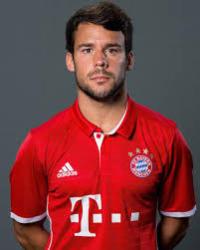
Pavol Balaz
 Slovakia
- From Topoľčany to the professional game
- A return to the club that started it
- A career with two chapters
Pavol Baláž’s football journey began in his hometown of Topoľčany and carried him from Slovak clubs to the Polish league. A left-footed midfielder known for his set pieces, he later returned to the club that had launched his professional career and helped rebuild it as an administrator and president.
From Topoľčany to the professional game
Baláž was born on April 1, 1984, in Partizánske, then part of Czechoslovakia. He developed in the youth ranks of OFK Tovarníky and FC Topoľčany, the latter becoming an important anchor in his story. From there he moved into senior football and made the jump to Inter Bratislava, where his play earned him a chance abroad.
In 2007, Baláž signed for Ruch Chorzów in Poland. The move brought him into a new football culture and quickly made him a familiar name to the club’s supporters. Contemporary coverage of his first season highlighted his left-footed free kicks and his ability to produce dangerous deliveries from set pieces. A goal against Korona Kielce became one of the moments fans remembered from his early spell.
Baláž spent several seasons at Ruch, playing in the Polish top division as well as contributing through a period of transition for the club. In 2010, he moved to ŁKS Łódź, where he joined a side aiming to return to Poland’s top flight. Later that year he came back to Slovakia to play for Tatran Prešov. His senior career also included a loan spell at ZTS Dubnica and later playing years with Topoľčany.
A return to the club that started it
After his professional playing career, Baláž’s connection with Topoľčany took on a new shape. He took on leadership roles at FC Topoľčany, including work as sporting director and later as club president. The move was personal as well as practical: he has described wanting to give back to the club from which he had made his way into professional football.
When he became involved, the club was emerging from a difficult stretch. Senior football had been suspended, and the youth program had broken apart amid financial problems. Baláž and a group of local supporters, coaches, and former players set about rebuilding both sides of the club. Their priorities included re-establishing youth teams and creating a development pathway that allowed local players to grow close to home.
The rebuild produced visible results. By 2026, FC Topoľčany had earned two promotions in a row, moving from the sixth tier to the fourth. The senior team was built largely from club graduates and former Topoľčany players, rather than a costly collection of outside signings. The under-15 side also reached Slovakia’s first youth league, giving younger players in the district a chance to compete at a high level without leaving for a larger city at an early age.
Baláž has described the project as one built on training, relationships, and steady investment in young players. He has set ambitions for a stable club with strong youth teams and a competitive senior side, while emphasizing that it should grow within the region’s real financial limits. The return of supporters to the Vojtech Schottert Stadium, including a crowd of about 1,250 for a decisive promotion match, offered a striking sign that local enthusiasm had returned.
A career with two chapters
Baláž’s story is not only that of a player who moved from Slovak football to a foreign league. It also shows how a professional career can circle back to a hometown institution. His seasons in Bratislava, Dubnica, Chorzów, Łódź, and Prešov gave him experience across different levels and football cultures; his work after playing brought that experience back to the club that helped form him.
Today, his name is closely tied to FC Topoľčany’s revival. The promotion run and youth development progress have made him a visible figure in regional football, carrying forward the same game that first took him from the local pitch into professional competition.