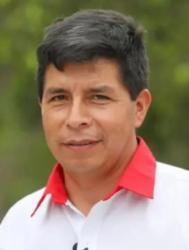
Petr Vologodskiy
 Russia
- Peter Volodsky: Russian Statesman and Public Figure
- Revolutionary Activities
- Exile and Legal Career
- Siberian Activist and Autonomy Advocate
- Revolutionary and Anti-Bolshevik Activities
- Post-Civil War and Recognition
- Legacy
Peter Volodsky: Russian Statesman and Public Figure
Early Life and EducationPeter Vasilyevich Volodsky was born on January 30, 1863, in the village of Komarovo in the Krasnoyarsk district of Siberia. The son of a rural priest, Volodsky initially studied at the Krasnoyarsk Gymnasium before enrolling at the Tomsk Gymnasium. Upon graduating, he pursued a law degree at St. Petersburg University.
Revolutionary Activities
As a university student, Volodsky became involved in anti-government activities, leading to his arrest by the police. In 1885, he drew the attention of authorities for his connections to Henryk Welizynski, a leader of a revolutionary group in St. Petersburg. He formed an acquaintance with Nikolai Yadrintsev, a prominent Siberian public figure. Volodsky participated in student gatherings and was among those expelled from the university following a university anniversary celebration.
Exile and Legal Career
Volodsky continued his involvement in revolutionary activities, becoming a member of the "Siberian Circle" in 1887. He was expelled from the university in the same year and denied the right to pursue higher education, live in St. Petersburg or the surrounding province, and placed under police surveillance. Despite persecution, Volodsky managed to pass state exams in 1889 (or 1892 according to some sources) at the University of Kharkov.
After graduating with a law degree, Volodsky worked in the judicial office of the steppe governor-general and later served as a judge in the city of Verny and an associate public prosecutor in the Semipalatinsk region. He became a member of the legal society "Tovarishch Prokurora."
Siberian Activist and Autonomy Advocate
With the introduction of judicial reforms in Siberia in 1897, Volodsky transitioned to the legal profession as a lawyer. He was elected as a member of the council of lawyers and a deputy chairman of the council. Volodsky represented the Tomsk Duma at the Congress of Zemstvo and City Officials in Moscow. In the early 20th century, he emerged as a leader of Siberian autonomists. He advocated for the autonomy of Siberia and played a key role in the Tomsk Duma's efforts to publish the newspaper "Sibirskaya Rech."
Revolutionary and Anti-Bolshevik Activities
In 1903, Volodsky co-founded the newspaper "Sibirsky Vestnik," which represented the Socialist-Revolutionary (SR) party. After its closure by the government in 1905, he became increasingly involved in revolutionary activities. Volodsky took on the defense of participants in political demonstrations and trials, including those involved in the 1905 Tomsk anti-government demonstration. He also opposed the use of capital punishment.
During the Russian Civil War, Volodsky played a prominent role in the anti-Bolshevik movement in Siberia. He served as the Chairman of the Council of Ministers of the Provisional Siberian Government (VSP) and oversaw the formation of the government. Volodsky advocated for the unity of anti-Bolshevik forces and opposed Siberian independence from Russia.
Post-Civil War and Recognition
After the collapse of the White movement, Volodsky continued to be an active public figure and publicist. He edited the newspaper "Zarya" in Omsk and later the cooperative journal "Trudovaya Sibir." In recognition of his contributions to Siberian autonomy, the Siberian Regional Duma elected Volodsky as the Minister of Foreign Affairs of the Derber government on January 25-26, 1918. He became a prominent advocate for Siberian regionalism.
Legacy
Peter Volodsky's legacy as a Russian statesman and Siberian activist continues to be debated. He is remembered for his dedication to Siberian autonomy and his contributions to the legal profession and public life. His writings on Siberian legal issues remain an important source of information for researchers of Russian history. Volodsky passed away in 1928, leaving behind a complex and significant legacy that continues to shape the narrative of Siberian history.