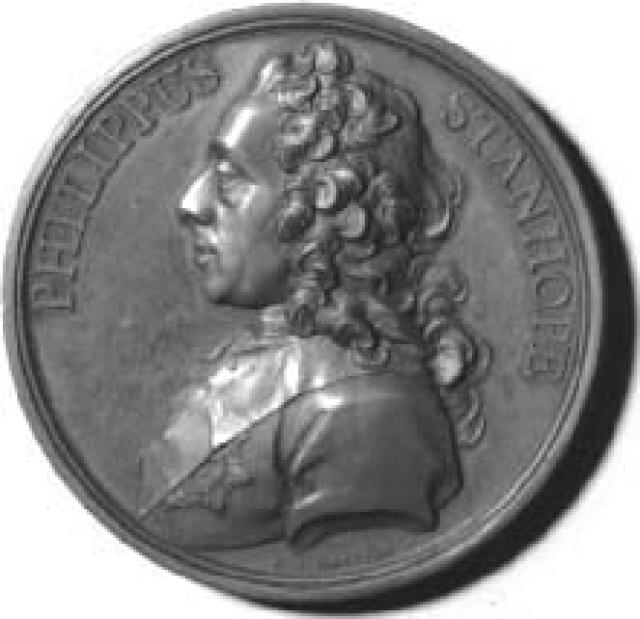
Philip Chesterfield
 Great Britain
- Lord Chesterfield: A Statesman, Author, and Master of Etiquette
- Political Career
- Diplomatic Mission
- Epistolary Masterpiece
- The Science of Charm
- The Power of Internal Virtues
- Cultivating the Ideal Gentleman
- Legacy and Influence
- Pedagogical Inspiration
- Social Significance
- Modern Interpretations
Lord Chesterfield: A Statesman, Author, and Master of Etiquette
Early Life and EducationPhilip Dormer Stanhope, 4th Earl of Chesterfield, was born on September 22, 1694, into an aristocratic family. His early education took place under the guidance of private tutors, where he displayed a keen aptitude for languages and literature.
Political Career
In 1715, Chesterfield entered Parliament as a Member of the House of Commons. He quickly rose through the ranks, serving as Lord of the Admiralty and Lord Lieutenant of Ireland, among other high-ranking positions. Despite his political successes, Chesterfield remained a keen observer of society and human nature.
Diplomatic Mission
In 1739, Chesterfield was appointed Ambassador to The Hague. During his tenure, he penned a series of letters to his illegitimate son, Philip Stanhope, that would later become renowned as classics of etiquette and worldly wisdom.
Epistolary Masterpiece
Chesterfield's letters to his son, known as "Letters to His Son," are considered a masterpiece of the epistolary genre. In them, he imparted his views on everything from manners and social grace to the importance of self-cultivation and the pursuit of knowledge.
The Science of Charm
Aesthetics of External BehaviorChesterfield believed that a person's outward demeanor and actions played a crucial role in shaping their perception in society. He emphasized the importance of proper posture, speech, and a polished appearance.
The Power of Internal Virtues
While he recognized the importance of external behavior, Chesterfield argued that true charm and respect stemmed from internal virtues such as kindness, integrity, and a desire for self-improvement.
Cultivating the Ideal Gentleman
Chesterfield's goal was to create a model gentleman who possessed both the social graces and the intellectual depth necessary to succeed in the world. He believed that education, experience, and careful attention to personal development could lead to this ideal.
Legacy and Influence
Literary ImpactChesterfield's "Letters to His Son" remain a timeless guide to etiquette and social refinement. They have been translated into numerous languages and continue to be studied and admired by people around the world.
Pedagogical Inspiration
Chesterfield's ideas influenced the development of educational theories and practices. His emphasis on the importance of observation, empathy, and critical thinking laid the foundation for modern pedagogical approaches.
Social Significance
Chesterfield's writings reflected the Enlightenment ideals of reason, individualism, and the belief in humanity's potential. His teachings promoted a culture of social refinement and a desire for personal excellence.
Modern Interpretations
While some of Chesterfield's views may seem outdated or elitist, his insights into human nature and the importance of social interaction remain relevant in our modern era. His writings continue to inspire individuals seeking to cultivate grace, wisdom, and success in various aspects of their lives.




