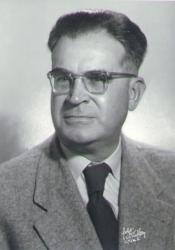
Philippe Aries
 France
- Philippe Ariès: Historian of Childhood and Death
- Focus on Childhood and Death
- Political Beliefs
- Academic Contributions
- Legacy
Philippe Ariès: Historian of Childhood and Death
Early Life and EducationPhilippe Ariès was a prominent French historian born in 1914. His interest in history emerged from his childhood spent in the province of Gascony. He studied history at the École Normale Supérieure in Paris, where he was influenced by the historian Marc Bloch.
Focus on Childhood and Death
Ariès's most celebrated work, "Centuries of Childhood"(1960), revolutionized the field of history by examining the concept of childhood as a historical construct. He argued that childhood as a distinct stage of life did not exist in medieval Europe, and that only in the 17th century did children come to be recognized as individuals with their own rights and needs.
Similarly, in "The Hour of Our Death"(1981), Ariès explored the evolution of attitudes towards death in Western society. He demonstrated that the way people died, mourned, and understood the afterlife varied significantly throughout history, challenging the notion of a universal human experience of death.
Political Beliefs
Ariès was known for his unconventional political views. He initially supported the far-right Action Française movement but later distanced himself from its authoritarian tendencies. While collaborating with the monarchist newspaper La Nation française, he maintained close relationships with leftist historians such as Michel Foucault. Ariès described himself as a "right-wing anarchist."
Academic Contributions
Ariès's work has had a profound impact on historical scholarship. His research on childhood and death helped to establish these topics as legitimate areas of historical inquiry. His emphasis on the historical contingency of human experiences has influenced contemporary approaches to other aspects of social and cultural history.
Legacy
Despite Ariès's significant contributions, his work has also been criticized for its Eurocentric focus and for overlooking non-Western perspectives. Nevertheless, his groundbreaking studies continue to shape our understanding of the complexities of human life and the ever-changing nature of society.