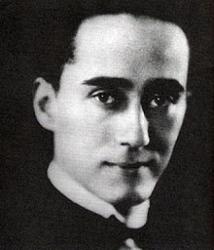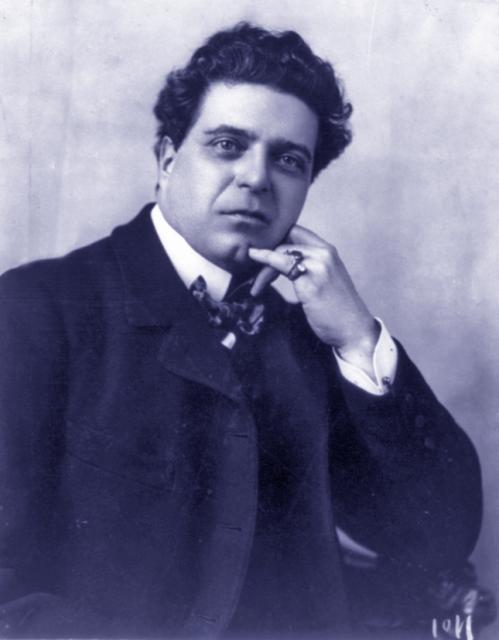
Pietro Mascagni
 Italy
Italy- Biography of Pietro Mascagni
- Early Career
- Milan Conservatory and Early Success
- Marriage and Breakthrough
- Operatic Success
- Later Years and Legacy
Biography of Pietro Mascagni
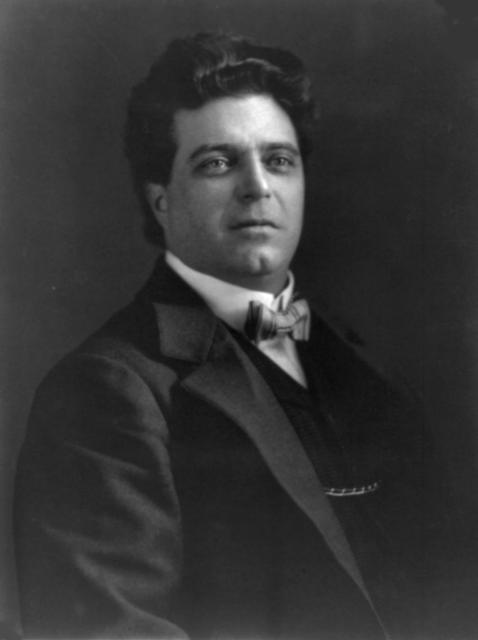
Pietro Mascagni was an Italian opera composer who was born on December 7, 1863, in Livorno, Italy. From a young age, Mascagni had a passion for music, and his father, a bakery owner, supported him in pursuing his musical dreams.
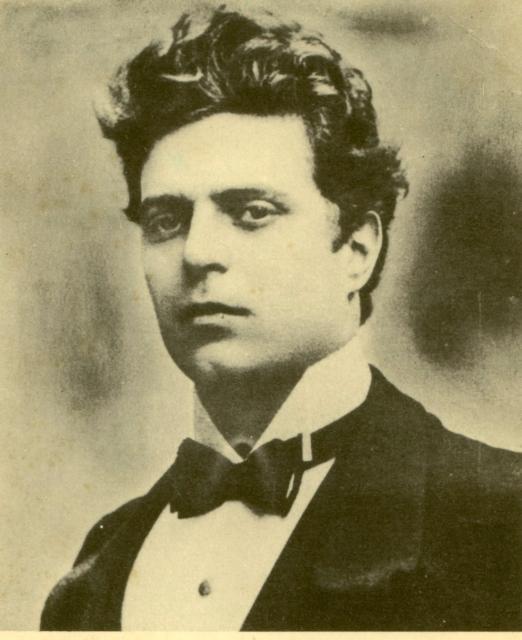
Early Career
In 1876, at the age of 13, Mascagni began taking music lessons from Alfredo Soffredini, the founder of the Instituto Musicale di Livorno, which later became known as the Istituto Cherubini. Within three years, Mascagni composed several classical works, including "Sinfonia in do minore," "Elegia," "Kyrie," "Gloria," and the famous "Ave Maria." His first cantata was performed at the Istituto Cherubini in February 1881, earning him recognition and praise.
Milan Conservatory and Early Success
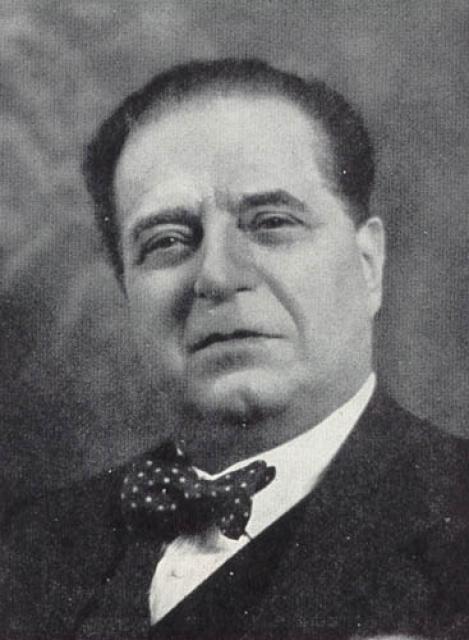
In 1882, Mascagni composed "Cantata alla gioia," which helped him gain admission to the Milan Conservatory in October of the same year. While in Milan, he met the legendary Giacomo Puccini, whose works Mascagni always held in high regard. Sadly, in the same year, Mascagni's sister Maria passed away, leading him to cope with grief through his music.
Marriage and Breakthrough
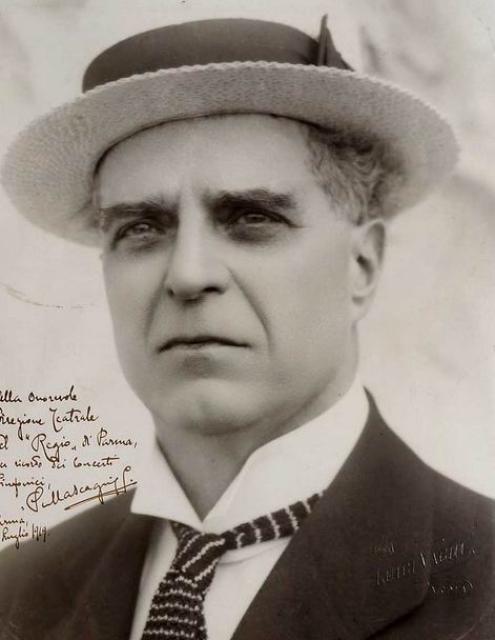
In 1885, Mascagni composed the romance "Il Re a Napoli in Cremona," with lyrics by Italian poet and translator Andrea Maffei. Soon after, he left Milan without completing his studies and began working in various opera houses and with renowned composers. In 1886, he joined Luigi Maresca's company and met his future wife, Lina (full name Argenide Marcellina Carbognani). They married on February 3, 1889, and their son Domenico was born the following day.
Operatic Success
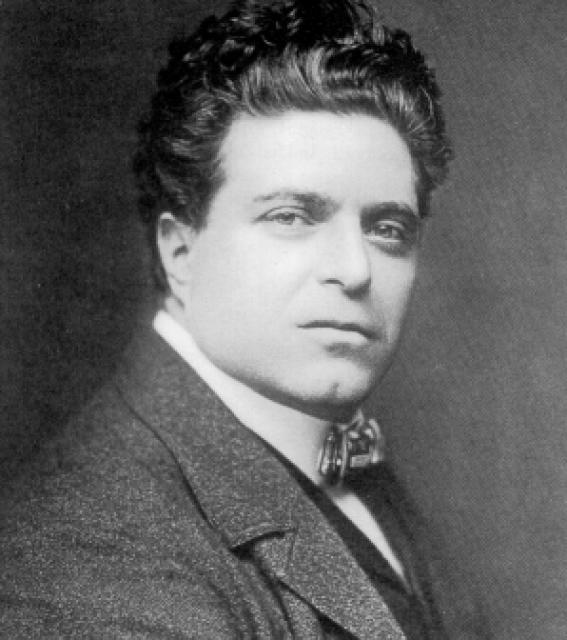
During the 1890s, Mascagni gave concerts in Rome and other Italian cities, attracting large audiences. His most successful works during this period were the opera "L'amico Fritz" (1891) and his most famous work, "Cavalleria rusticana" (1890), which premiered in Rome. "Cavalleria rusticana" was one of the few works by Mascagni that was recorded on film.
Later Years and Legacy
In the early 1900s, Mascagni toured in Russia, the United States, and Canada, though the tour was not financially successful. Despite this setback, he continued to work and perform, gaining popularity worldwide. Mascagni gave his final concert in April 1943, during which he had to request a chair as he could no longer stand.
Pietro Mascagni passed away on August 2, 1945, in his hotel room at the Hotel Plaza di Roma. His funeral took place on August 4, attended only by close friends and family. After the war, in 1951, his remains were reburied in his hometown of Livorno.
Pietro Mascagni's contributions to opera, including his renowned works such as "Cavalleria rusticana," have left a lasting legacy in the music world.