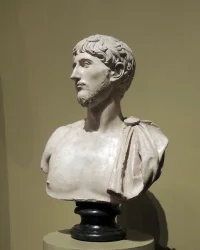
Pisistratus
Pisistratus, also known as Peisistratus, was a sixth-century BCE ruler of Athens. He established a tyranny after a period of aristocratic conflict and held power through several periods of exile and return. His rule strengthened Athens’ economy and civic identity, but it did not introduce democracy. Rather, it preserved the existing institutions while placing them under the control of one ruler and his family.
Rise to power
Pisistratus was born into an aristocratic family around 600 BCE. In the middle of the sixth century, Athens was divided by political rivalries and economic tensions. Pisistratus built support among residents of the city and countryside and seized power around 561/560 BCE. His control was interrupted twice by rival aristocrats, but he returned to Athens with outside support and secured power around 546/545 BCE.
Ancient accounts tell dramatic stories about his returns, including one in which a woman named Phye was dressed as the goddess Athena and presented as escorting him back into the city. The story was recorded by Herodotus, but its details are difficult to verify and may reflect political storytelling.
Government and public life
Pisistratus ruled as a tyrant in the ancient Greek sense: he held power outside the ordinary constitutional system, though the term did not necessarily mean a ruler who governed through constant terror. He left many existing laws and offices in place, while making sure they served his authority. Ancient sources portray his government as relatively moderate and describe measures that helped smaller farmers, including loans and local justice, though the details of these policies come largely from later accounts.
His rule supported public building and religious festivals that brought Athenians together. The Panathenaic festival in honor of Athena grew in importance, and the City Dionysia developed during the Peisistratid period. Some later writers credit Pisistratus directly with founding particular festivals, but the evidence for his individual role is uncertain. Athens became more prosperous and culturally prominent during the second half of the sixth century.
Succession and legacy
Pisistratus died around 527 BCE. His sons Hippias and Hipparchus succeeded him. Hipparchus was killed in 514 BCE by Harmodius and Aristogeiton, who were later celebrated as tyrant-slayers. Hippias continued to rule until 510 BCE, when Spartan intervention and Athenian opposition drove him into exile.
Pisistratus’s reign did not create the Athenian democracy that developed under Cleisthenes after the fall of his sons. It did, however, strengthen civic institutions, public festivals, and the economic base of Athens. His career shows how a ruler could use popular support, family alliances, and control of traditional offices to dominate a Greek city without abolishing its public institutions.