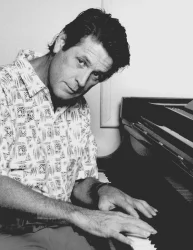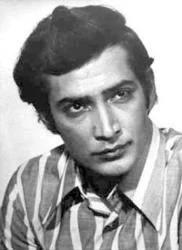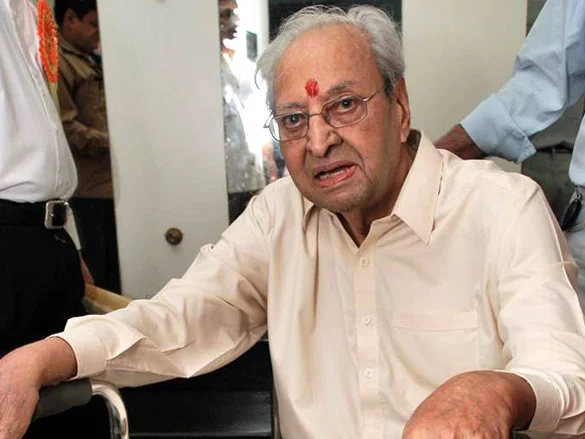
Pran
- From photography to Punjabi cinema
- The screen villain audiences loved to hate
- A beloved character actor
- Honors and later life
Pran became one of Hindi cinema’s most memorable actors by making audiences believe he could be anyone: a charming romantic lead, a menacing villain or a gentle elder with a twinkle in his eye. For decades his name alone signaled danger, but his performance as Malang Chacha in Upkar shifted his screen image and opened a remarkable second act as a beloved character actor. Across a career spanning more than six decades, he appeared in over 350 films.
From photography to Punjabi cinema
Pran was born on 12 February 1920 into a Punjabi family. His father worked as a civil engineer and contractor, and the family moved between cities as his father’s work took them around northern India. As a young man, Pran trained in photography and hoped to build a career behind the camera. A chance meeting with a film writer in Lahore instead brought him to the attention of producer Dalsukh Pancholi.
He made his screen debut in the Punjabi film Yamla Jat in 1940. In Khandaan (1942), he played a romantic lead opposite Noor Jehan, years before he became famous for frightening audiences. The Lahore film industry gave him a strong start, and he appeared in more than twenty films there. The Partition of India in 1947 forced him to move to Bombay, where rebuilding his career took time.
The screen villain audiences loved to hate
Pran found steady work in Hindi cinema and quickly became known for his ability to transform his appearance, voice and manner from role to role. His performances in films such as Madhumati, Jis Desh Mein Ganga Behti Hai and Ram Aur Shyam helped define the stylish, psychologically vivid villain of postwar Hindi films. His controlled delivery and sharp expressions could make a threat feel as chilling as a dramatic outburst.
He was never content to repeat a single formula. Even as audiences came to associate him with villainy, he introduced humor, elegance and small human details into his roles. His work in Half Ticket and other films showed a comic streak, while his performances in major dramas demonstrated the range beneath his intimidating screen persona.
A beloved character actor
A turning point came with Manoj Kumar’s Upkar in 1967. Pran played Malang Chacha, a former soldier and wandering philosopher whose warmth contrasted sharply with the villains he had played for years. The role won him the first of his Filmfare Awards for Best Supporting Actor and helped change how filmmakers and audiences saw him.
In 1973, he played Sher Khan in Zanjeer, the Afghan Pathan whose friendship with Amitabh Bachchan’s angry young policeman became one of the film’s most memorable relationships. Instead of simply opposing the hero, Sher Khan became a loyal ally, with humor and a strong moral code. Pran later appeared in hits including Don and Amar Akbar Anthony, continuing to make supporting roles feel central to the story.
His ability to shape a character extended to voice, costume and movement. Across generations, he could be a terrifying antagonist, a comic presence, a principled mentor or a soft-hearted family elder. The breadth of those performances made him a trusted presence for leading actors and directors, and kept his career thriving as Hindi cinema changed around him.
Honors and later life
Pran received three Filmfare Awards for Best Supporting Actor and the Filmfare Lifetime Achievement Award. The Government of India honored him with the Padma Bhushan in 2001. In 2013, he received the Dadasaheb Phalke Award, Indian cinema’s highest lifetime honor, recognizing a career that had become part of the industry’s history.
He died in Mumbai on 12 July 2013, aged 93, after a prolonged illness. His legacy rests not only on the fear he could inspire but on the sympathy and humor he could draw out of audiences. Pran transformed screen villainy into an art and then proved that no one was better positioned to play the hero’s friend.