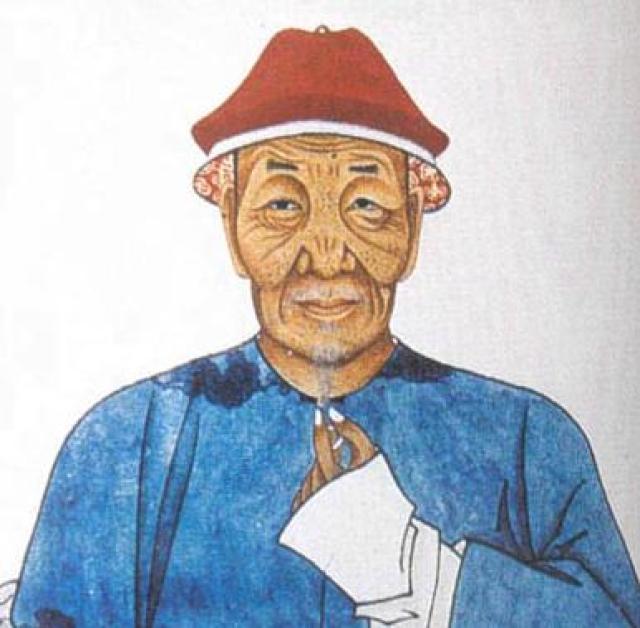
Pu Songling
 China
ChinaBiography of Pu Songling
Pu Songling, also known by his pseudonym Liao Zhai, was a Chinese novelist who skillfully incorporated elements of fantasy into his stories. He was born in 1640 in the Shandong province of Eastern China, near the coastal city of Port Arthur. He belonged to the scholarly bureaucratic class and received a classical education. Pu Songling is best known as the author of the book "Liao-chaizhi-i". His 16-volume collection contains over 400 novellas, which are not original genres but rather brilliant stylizations of fantastic Chinese novellas from the 8th and 9th centuries.
Early Life and Education
Pu Songling, whose family name was Pu and given name was Songling, adopted the literary nickname or pseudonym Liao Zhai. He was born and died in the county of Cizhuan, which is located in Shandong province. He gained fame at a young age, even before passing his first examination, and was renowned for his literary style and high moral direction. Pu Songling received a classical education and was part of a poetic fellowship with his friends Li Simeng and Zhang Liu, both notable names in their own right. They aimed to cultivate each other's elegant wordplay and moral excellence.
Writing Career
Pu Songling's literary talent was highly regarded, even by influential figures like Wang Shichen. He gained a reputation for his exquisite storytelling abilities and his deep thinking and sound judgment in his character and speech. He prioritized the steadfastness of principles, always speaking only of what must be done and adhering unwaveringly to moral duty. His works, particularly "Liao-chaizhi-i" or "Strange Tales from a Chinese Studio," continue to captivate readers with their delightful and pleasant narratives.
Writing Style and Legacy
Pu Songling's stories often feature students as the main characters. Chinese students differ from their Western counterparts in that they can remain students for their entire lives, especially if they are unsuccessful or have poor memory. Pu Songling himself struggled with passing examinations and felt trapped as a perpetual student, which deeply affected his life. To escape this reality, he turned to fantasy, creating a world where the student is courted by beautiful fairies who offer him happiness and appreciation for his noble spirit. However, as a student and a disciple of Confucius, he ensures that the fundamental principles of justice, goodness, and the depth of the human soul are not compromised by the intrusion of fantasy into real life.
Pu Songling's writing style is characterized by his extensive use of classical literary language, derived from his deep knowledge of Chinese literature. His works incorporate references to classical texts, historical figures, and philosophical concepts, making them challenging to translate and understand fully without a comprehensive understanding of Chinese culture and language. Nonetheless, his stories continue to be praised for their vivid imagery, imaginative narratives, and their ability to explore the complexities of human life and emotions.
Pu Songling's contributions to Chinese literature have had a lasting impact. His unique storytelling style and his ability to blend fantasy with literary elegance have earned him a revered status among both scholars and ordinary readers. His works continue to be admired for their literary excellence and serve as a testament to Pu Songling's remarkable talent and his profound understanding of human nature.