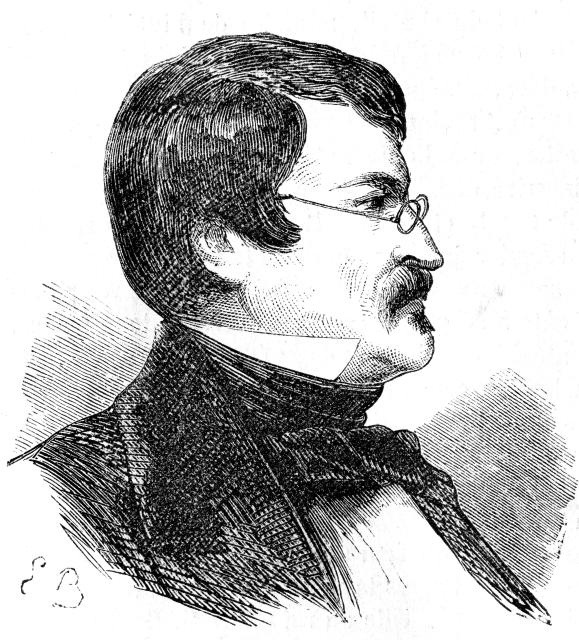
Raffaele Conforti
 Italy
Italy- Francesco De Sanctis: Italian Statesman and Intellectual
- Political Activism and Exile
- Return to Naples and the Unification of Italy
- Senatorial Career and Intellectual Contributions
- Legacy
Francesco De Sanctis: Italian Statesman and Intellectual
Early Life and EducationFrancesco De Sanctis was born into a modest family in Morra De Sanctis, Italy, on March 28, 1817. He received a thorough classical education at the University of Naples, graduating as a lawyer in 1839.
Political Activism and Exile
De Sanctis's legal career was short-lived, as he quickly became involved in the revolutionary movements sweeping Italy in the mid-19th century. In 1848, he served as Minister of Internal Affairs in the brief-lived constitutional regime established in Naples. However, the restoration of conservative rule forced him to flee to Genoa.
Return to Naples and the Unification of Italy
In 1860, De Sanctis returned to Naples alongside Giuseppe Garibaldi, the renowned revolutionary. He organized a cabinet of ministers tasked with guiding Naples's annexation to the Kingdom of Italy. Following the unification, De Sanctis held the position of Minister of Justice in two cabinets: that of Urbano Rattazzi in 1862 and that of Giovanni Cairoli in 1878.
Senatorial Career and Intellectual Contributions
In 1867, De Sanctis was elected to the Italian Senate, where he served with distinction. Throughout his career, he published numerous works on a wide range of intellectual subjects, including legal history, criminal law, and political economy. His writings earned him a reputation as one of the foremost thinkers of his time.
Legacy
Francesco De Sanctis died in Naples on December 29, 1883. He left behind a legacy as a dedicated statesman and a brilliant intellectual who contributed significantly to the political and cultural development of Italy. His writings and ideas continue to be studied and debated by scholars to this day.