Ramana Maharshi
 India
India- Biography of Ramana Maharshi
- Spiritual Awakening
- Teachings
- Self-Realization
- Direct Method of Self-Inquiry
- Legacy
Biography of Ramana Maharshi
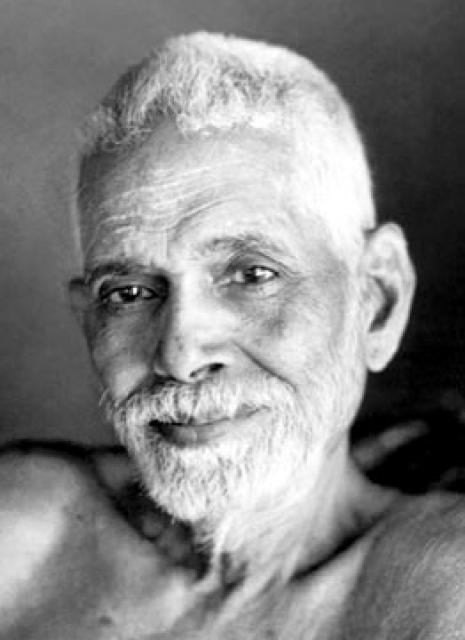
Early LifeRamana Maharshi, widely known as an Indian philosopher and Sage, was born on December 30, 1879, in the village of Tiruchuli in the southern Indian state of Tamil Nadu. His birth name was Venkataraman Iyer, but his followers referred to him as Maharshi, meaning "Great Sage," and he later adopted the name Ramana.
Spiritual Awakening
At the age of 16, while studying in college, Ramana experienced a death-like episode that led him to realize that he was not the physical body but an immortal Spirit. This transformative experience completely changed him. He immediately left home and journeyed to the sacred mountain of Arunachala, considered to be the embodiment of the Absolute. He remained there until his physical death on April 14, 1950. The divine presence of Arunachala became his inner teacher, guiding him on the path of self-realization.
Teachings
Ramana Maharshi is associated with the philosophy of Advaita Vedanta. He became renowned for his powerful silent presence, holy life, and uncompromising teachings on self-knowledge and self-realization. His main method of practice was meditative self-inquiry, contemplating the question, "Who am I?" He believed that before trying to understand the external world, one must first know oneself.
Self-Realization
Ramana emphasized the importance of being, rather than identifying with any particular role or persona. He taught that the true nature of the self is pure consciousness, represented by the phrase "I AM." The practice of silence, he said, is the key to transcending the ego and realizing one's true nature. By destroying the ego, one can discover their authentic self, the Atman, which is the ultimate reality.
Direct Method of Self-Inquiry
Ramana Maharshi recommended a unique and direct method of self-inquiry. By asking oneself, "Who is this 'I'?" the seeker explores the origin, nature, and source of their individual identity. Through this practice, one realizes that the "I" that is thought to be initiating all actions is merely a fleeting appearance. Eventually, the central or root thought of "I," the mind or ego, ceases to exist, and the true self shines forth silently and spontaneously. This state of abiding in one's true nature is what the wise call Liberation.
Legacy
Ramana Maharshi's teachings and presence drew countless seekers from around the world to his ashram, where his teachings were propagated. His profound wisdom and self-realization continue to inspire spiritual seekers to this day.