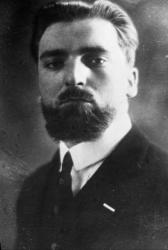
Ramiz Alia
 Albania
- Ramiz Alia: Life and Leadership in Albania
- Succession to Power
- Leadership and Reforms
- Challenges and Political Turmoil
- Downfall and Arrest
Ramiz Alia: Life and Leadership in Albania
Early Life and Political RiseRamiz Alia was born on October 18, 1925. At the age of 20, he joined the communist youth movement. Under the patronage of Enver Hoxha, Alia saw a rapid rise in his career, leading the Albanian Communist Youth Organization after World War II and later studying in the USSR. In 1961, he became a member of the Politburo of the Albanian Party of Labour.

Succession to Power
Hoxha chose Alia as his heir for several reasons. First, Alia was a staunch supporter of the "self-reliance" policy (as opposed to those who sought alliance with Tito's Yugoslavia). Additionally, he was favored by Hoxha's wife, Nexhmije Hoxha, who wielded influence in the party even after her husband's death.
Leadership and Reforms
Upon taking power in 1985, Alia initiated hesitant attempts at decentralizing the economic system and introducing price reforms in certain sectors. He also permitted some public debate on social issues and discussions among cultural figures. While mass repression ceased, strict ideological control was maintained. Political prisoners were granted amnesties in 1986 and 1989. Alia made efforts to improve relations with the outside world (Albania had been an isolated nation under his predecessor), particularly with Greece, Italy, Turkey, and Yugoslavia. Albanians were allowed to travel abroad for tourism.
Challenges and Political Turmoil
In the late 1980s, Alia's encouragement of public discussions about the country's problems exacerbated tensions between hardliners and reformers. On December 9, 1990, student demonstrations for a multi-party system began in Tirana. By December 11, they swelled to 3,000 participants. Alia met with the students and promised further democratization. In his New Year's address, he pledged that 1991 would be a turning point for the country's economy. However, this period also saw a massive exodus of Albanians, primarily to Italy, which continues to this day.
Downfall and Arrest
In 1991, the democratization process in Albania spiraled out of government control. The Democratic Party of Albania was formed in opposition to the Albanian Party of Labour. On April 3, 1992, Alia resigned. He was later arrested and imprisoned for two years, but was freed by a popular uprising against the new president, Sali Berisha, and against the organizers of "pyramid schemes." Alia was also reportedly arrested on charges of abuse of power and sentenced to nine years in prison.