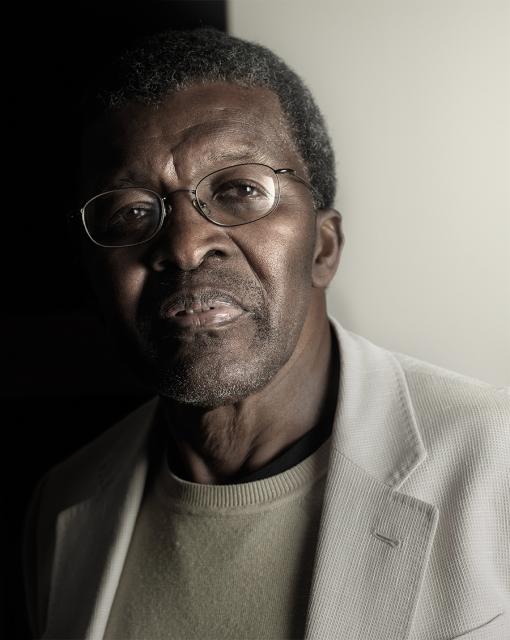
Raul G Cuero
 Colombia
Biography of Raul Cuero
Raul Cuero, a Colombian microbiologist, is known for his groundbreaking research in the field of microbiology. While microbiologists traditionally focus on studying various microorganisms and methods to combat dangerous ones, Cuero has made remarkable discoveries in other areas as well, such as biological means of oil and chemical degradation, as well as antibacterial glass.
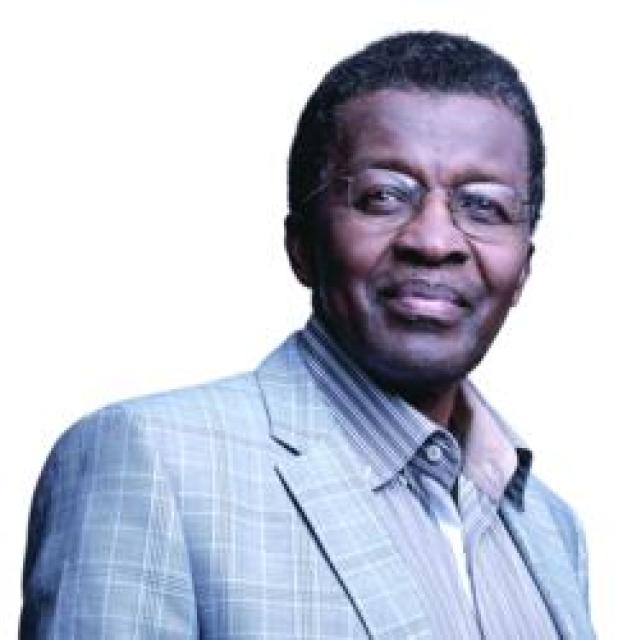
Born in Buenaventura, Colombia, Cuero began studying biology at the University of Valle. He earned his bachelor's degree in biology from Heidelberg College in Ohio, and his master's degree in phytopathology from Ohio State University. He later obtained his doctorate degree from the University of Strathclyde.

Cuero's career path was influenced by the dire health conditions he witnessed in his hometown during the 1950s. Diseases such as parasites, malaria, tuberculosis, and viral infections claimed the lives of approximately 30% of children before their tenth day of birth. Cuero pursued microbiology with the hope of finding solutions to these issues and helping those in need.

Throughout his academic journey, Cuero excelled in his studies and received special scholarships for his outstanding achievements. In 2006, he led a team in the International Genetically Engineered Machine competition held at the Massachusetts Institute of Technology.
Cuero has achieved significant success in his scientific career, making numerous important discoveries over the years. In 1995, he patented a scheme to increase the levels of vitamin A and B-carotene in plants. That same year, he launched a new computer learning project. The following year, he published two additional works—one focused on methods to combat toxic metals such as chromium, lead, zinc, and copper, and the other proposed a system for studying the biodegradation of hazardous chemicals and oil.
In 1998, Cuero published a study on efficient bioprotection against fungal infections in plants and food products. In 2003, he published a paper on a new antimicrobial agent. In 2004, he obtained a patent for a technique to reduce sulfur pollution in crude oil and later received another patent for a method to remove heavy metals and radioactive elements.
One of Cuero's recent inventions is biologically active glass, which possesses both antifungal and antibacterial properties. His contributions to the field of microbiology and his innovative research have made him a leading figure in his field.


