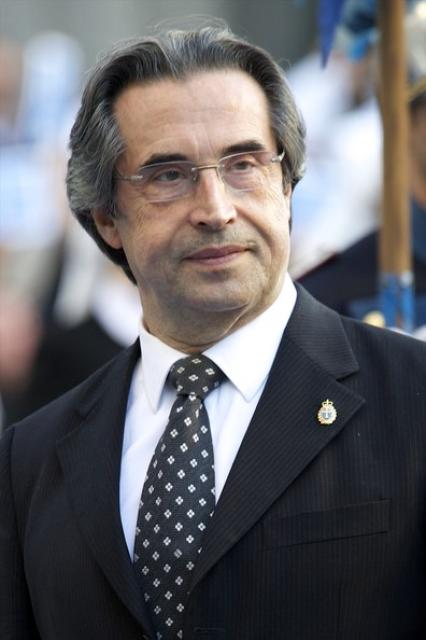
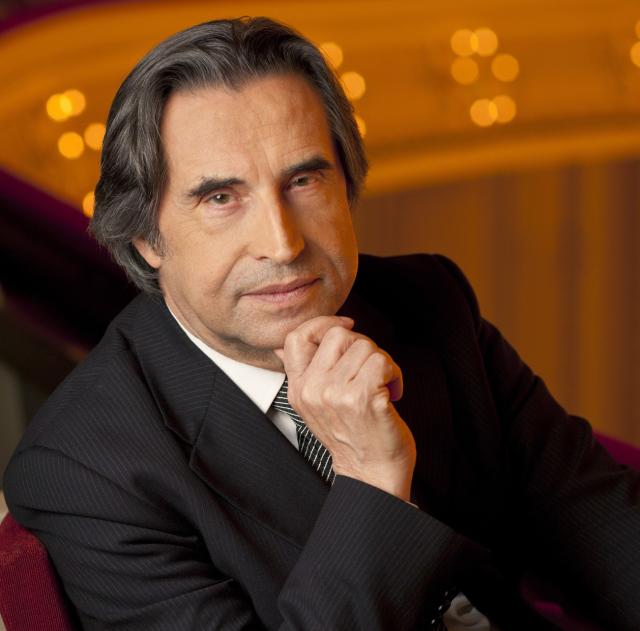
Riccardo Muti
 Italy
ItalyBiography of Riccardo Muti
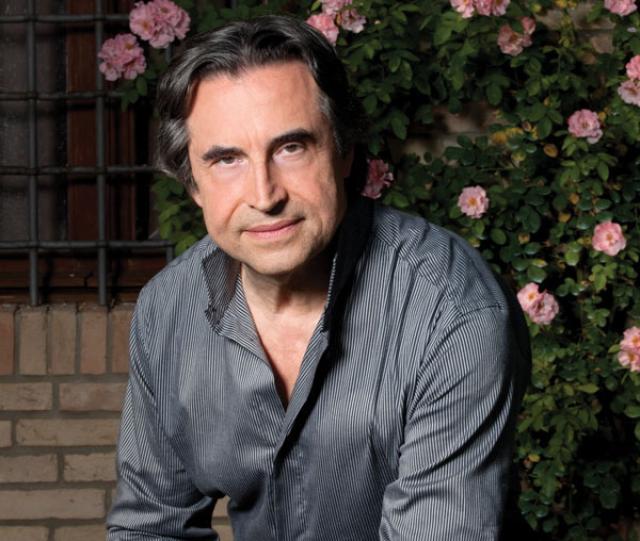
Early Life and EducationRiccardo Muti, an Italian conductor, was born on July 28, 1941, in Naples. He spent his early childhood in Molfetta. Muti's father was a doctor and amateur singer, while his Neapolitan mother was a professional vocalist. He completed his education at a classical lyceum in Naples and then studied piano at the Milan Conservatory. Muti earned his diploma from the Giuseppe Verdi Conservatory in Milan in composition and conducting. In 1967, he won the Guido Cantelli conducting competition unanimously.
Career Highlights
From 1971, Muti conducted operas and concerts at the Salzburg Festival, gaining particular acclaim for his performances of Mozart's operas. He also regularly conducted the London Philharmonic Orchestra from 1972 and was appointed principal conductor in 1973, succeeding Otto Klemperer. Muti became the chairman of the jury for the international composition competition "2 Agosto" in 1995. He was a frequent guest conductor with the Berlin and Vienna Philharmonic orchestras and led performances at the Vienna Festival in 1996 and toured Japan, Korea, Hong Kong, and Germany.
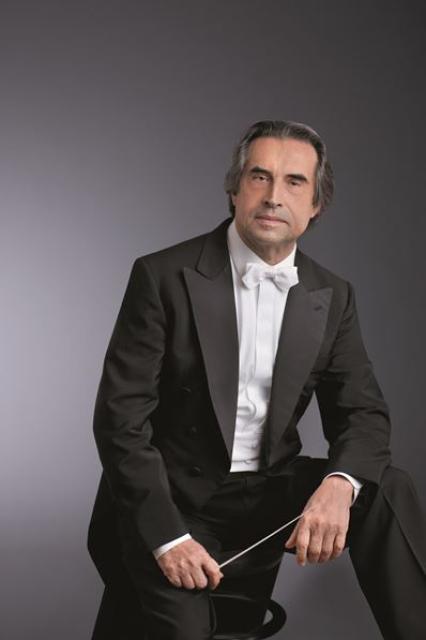
Muti's most significant role was as the artistic director of La Scala, where he served for 19 years. He was also involved with the Philadelphia Orchestra and staged productions in major opera houses in Rome, Ravenna, Vienna, London, Munich, and New York. Muti had a special connection with the Salzburg Festival, where he conducted various operas, including "Don Pasquale," "Così fan tutte," "La clemenza di Tito," "Don Giovanni," and "La traviata." He also owned property near Salzburg.
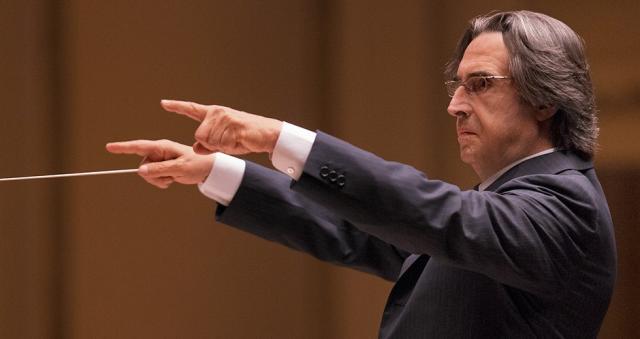
In the United States, Muti served as the music director of the Philadelphia Orchestra from 1980 to 1992 and led many international tours with the orchestra. He emphasized staying faithful to the composer's intentions as his main approach to working with an orchestra. Muti's tenure at the Philadelphia Orchestra brought about a shift from the established "Philadelphia Sound" established by Eugene Ormandy and Leopold Stokowski to a more diverse repertoire. However, this transformation caused some controversy, with some claiming that Muti turned the orchestra into a "common-sounding institution."
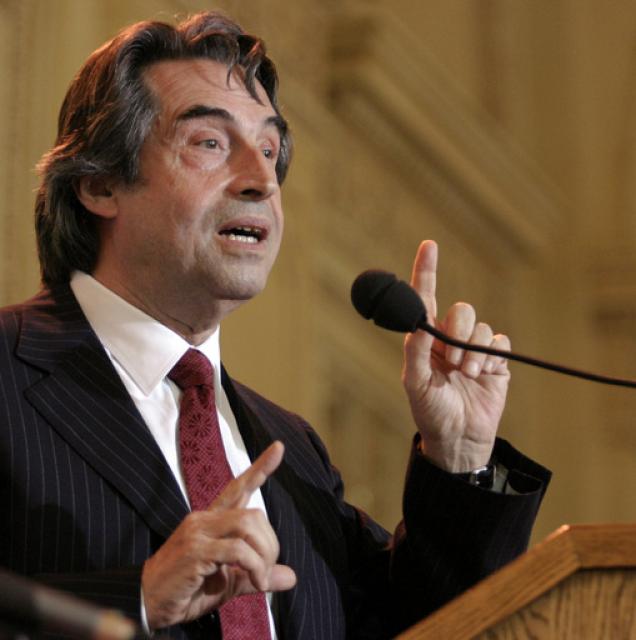
Muti was a frequent and popular guest conductor with the New York Philharmonic. It was reported that the musicians of the orchestra were interested in having Muti as their leader after the terms of Kurt Masur and Lorin Maazel and before his appointment to the Chicago Symphony Orchestra. However, Muti had no desire to take on the position. He became the music director of the Chicago Symphony Orchestra on May 5, 2008, after his debut with the orchestra at the Ravinia Festival in 1973. He signed a five-year contract and conducted at least ten subscription concerts with the orchestra each season, as well as participating in touring performances.
Controversies
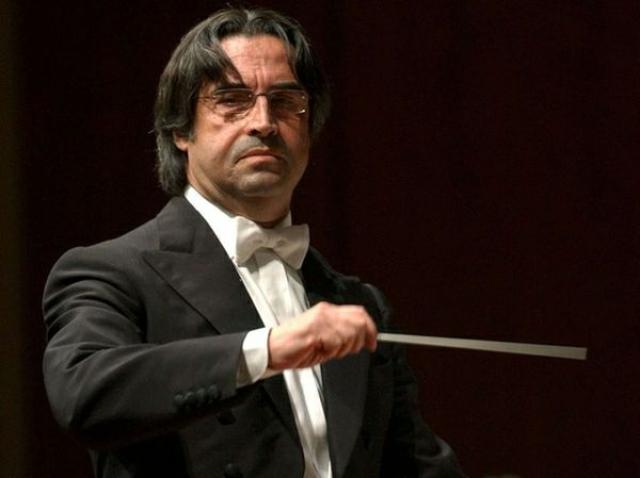
In 2003, a conflict arose between Muti, the musical director of La Scala, and Carlo Fontana, the general manager, regarding artistic and technical matters. Muti did not appear at the press conference intended to announce the 2003-2004 season. To ease the tension, Mauro Meli was appointed as the artistic director of La Scala. On February 25, 2005, the La Scala management decided to remove Fontana from his position and appoint Meli as his successor. By this time, the musicians of the Milanese theater had sided with Fontana, and Muti announced that he refused to conduct the orchestra. On March 16, 2005, the orchestra and other La Scala employees voted overwhelmingly against Muti. He had to cancel the planned concert even before the vote, and subsequent events were also disrupted. Finally, on April 2, 2015, Muti left La Scala, citing the "hostility" of the theater's staff.
During a performance of Verdi's opera "Nabucco" at the Rome Opera Theater on the night of March 12, 2011, Muti addressed the audience after the famous chorus "Va, pensiero." He spoke about the government's severe budget cuts and their impact on the funding of culture and the arts, stating that the "killing of culture in a country like Italy is a crime against society." Muti called culture the "spiritual glue" that brings people together and invited the audience to join in singing "Va, pensiero" with the chorus, breaking operatic conventions. The audience enthusiastically supported the idea, with some members of the chorus even shedding tears.