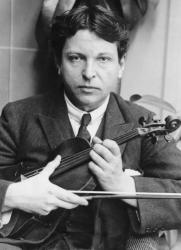
Rihard Strauss
 Germany
Biography of Richard Strauss
Richard Strauss was a composer who had a long and successful career filled with triumphs and challenges. He was often referred to as the second Richard, the successor to Richard Wagner as the unofficial head of German music. Born on June 11, 1864, in Munich, Germany, Strauss was blessed with many talents and a boundless creative energy. He began showing his musical abilities at a young age, composing pieces and experimenting with orchestration. His parents recognized his talent and provided him with a solid education in both academics and music.
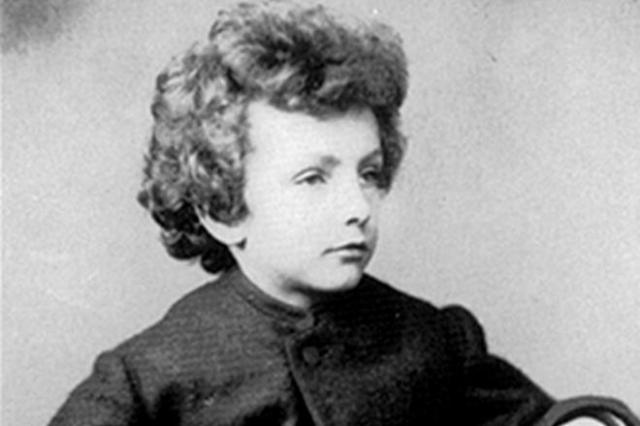
Strauss attended school and university in Munich, studying art history and philosophy while continuing his music lessons under the guidance of his father. By the age of eleven, Strauss was already studying advanced music theory and composition with a local conductor. He joined an amateur orchestra, which allowed him to gain practical knowledge of various instruments and further refine his skills.

Strauss quickly excelled in his studies and by the age of 16, he had already composed several successful pieces in various genres. His talent and unique style made him stand out in Germany's music scene, and he gained attention from prominent figures such as Hans von Bülow. Bülow recognized Strauss as an extraordinarily gifted young man and praised his work, dubbing him "an exceptionally talented individual." This recognition from Bülow solidified Strauss's status as a rising star in the music world.
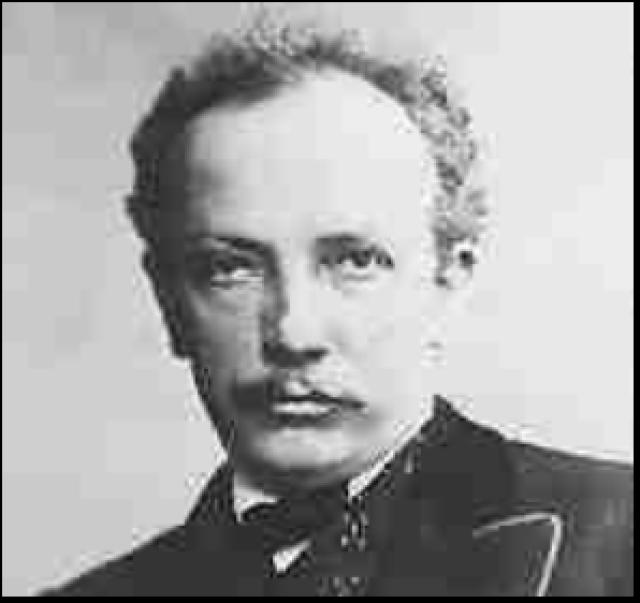
At the age of 20, Strauss received a recommendation from Bülow to become the court conductor in Saxe-Meiningen. Though the position provided a favorable environment for his development as a musician, Strauss quickly realized that his energy and ambitions were too great for the provincial setting. He left Saxe-Meiningen after just six months to take a position as the third conductor at the Munich Court Opera. During this time, he also embarked on a month-long trip to Italy, which greatly influenced his musical style and allowed him to experiment with new forms and ideas.
Strauss's musical career continued to flourish, and he gained recognition for his compositions in Germany and beyond. His symphonic poems, such as "Don Juan," "Till Eulenspiegel's Merry Pranks," and "Also sprach Zarathustra," showcased his innovative and daring approach to music. These works provoked strong reactions, both positive and negative, but ultimately solidified his reputation as a groundbreaking composer.
In addition to his compositions, Strauss also excelled as a conductor. He held positions at various opera houses, including the Munich Court Opera and the Berlin Court Opera, where he became the general music director. He also conducted numerous concerts around the world, showcasing not only his own works but also the works of German classical composers.
During World War I, Strauss composed his Alpine Symphony, which became one of his last major orchestral works. The war and its aftermath brought about significant changes in Strauss's life and career. He continued to compose operas, including "Die Frau ohne Schatten" and "Ariadne auf Naxos," but his focus shifted more towards conducting.
Despite the challenges he faced, Strauss's music continued to resonate with audiences, and he remained a prominent figure in the music world until his death in 1949. His contributions to music, both as a composer and conductor, solidified his place as one of the most influential figures in German music history.