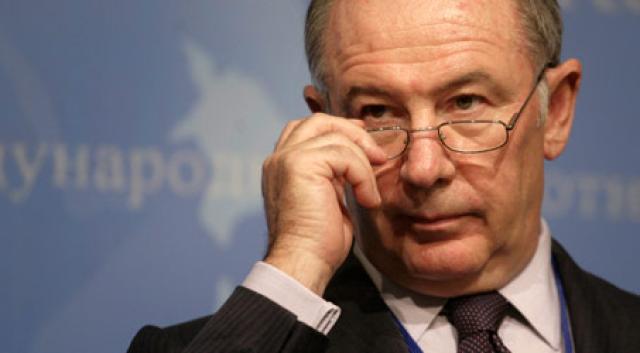
Rodrigo Rato
 Spain
Spain- Rodrigo Rato: A Political and Economic Legacy
- Business Ventures and Political Beginnings
- Political Career
- Managing Director of the IMF
- Leadership of 'Bankia' and Controversy
Rodrigo Rato: A Political and Economic Legacy
Early Life and EducationRodolfo Martín Villa (Rodrigo) de Rato Figaredo was born on March 18, 1949, in Madrid, Spain, into a wealthy Asturian family involved in the textile industry. After attending a Jesuit school, Rato studied law at the Complutense University of Madrid. He subsequently pursued an MBA at the University of California, Berkeley, graduating in 1974.
Business Ventures and Political Beginnings
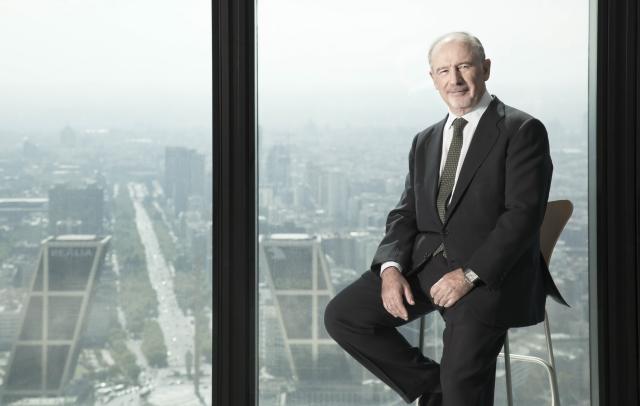
Rato initially worked with his family's businesses, including a mineral water company and two construction firms in Madrid. He also contributed to the expansion of the radio station network 'Cadena Rato'. In 1977, he joined the newly formed 'Alianza Popular' party (later the People's Party), co-founded by his father's close friend, Manuel Fraga.
Political Career
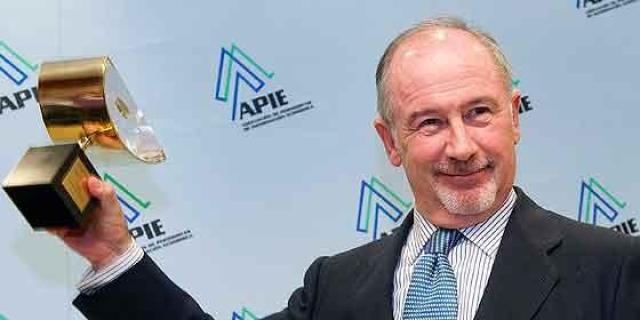
In 1982, Rato was elected to the Spanish Parliament as a representative of the People's Party from Cadiz, despite having no prior connection to the region. His participation in the 1989 election campaign gained him national recognition, and he was appointed the party's spokesperson. Following the People's Party's electoral victory on March 3, 1996, Rato was appointed Second Deputy Prime Minister and Minister of Economy and Finance. He held these positions during the party's second term, facing accusations of conflicts of interest between his government roles and private business dealings.
Managing Director of the IMF
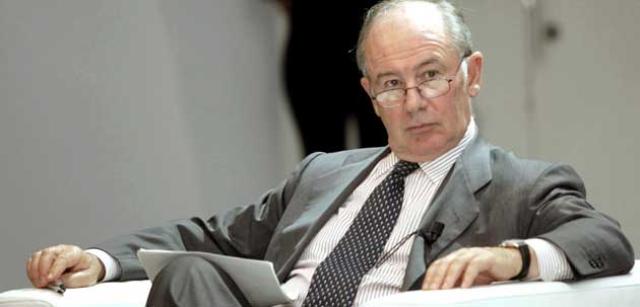
On June 7, 2004, Rato became the Managing Director of the International Monetary Fund (IMF). After three years, he announced his resignation for personal reasons, and the 24 executive directors of the IMF elected Dominique Strauss-Kahn as the Fund's tenth head on September 28, 2007.
Leadership of 'Bankia' and Controversy
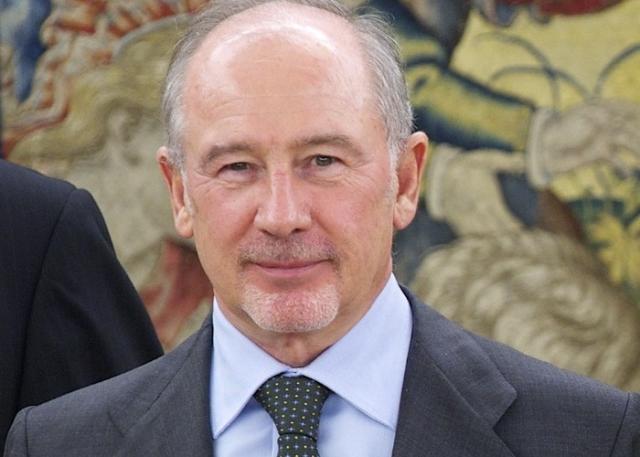
In 2010, Rato assumed the chairmanship of 'Caja Madrid', a savings bank in the autonomous community of Madrid. After the bank merged with six others, Rato became the president of the resulting banking conglomerate, 'Bankia'. Amidst growing concerns about the bank's solvency, Rato resigned on May 7, 2012. Despite a capital adequacy ratio of 10.4%, the People's Party leadership planned to loan 'Bankia' approximately eight billion euros to boost its solvency, as had been done elsewhere in Europe, such as in the case of the 'Northern Rock' crisis. Upon resigning, Rato received a severance payment of 600,000 euros instead of 2.3 million euros due to a new law passed in 2011 regarding bailed-out banks.
On July 4, 2012, Rato was charged with accounting irregularities, along with 30 other former board members of 'Bankia'. 'Bloomberg Businessweek' named Rato one of the worst CEOs of 2012. The following year, it emerged that the conglomerate had reported a 309 million euro profit a year earlier, but after Rato's departure, the bank was found to have actually lost 3 billion euros.
In October 2014, it was revealed that Rato had made 519 purchases worth nearly 100,000 euros on a secret corporate credit card in 2010-2011. After an October 17, 2014, hearing, the Spanish Supreme Court set bail for the detained Rato at 3 million euros, and the politician was expelled from the People's Party.