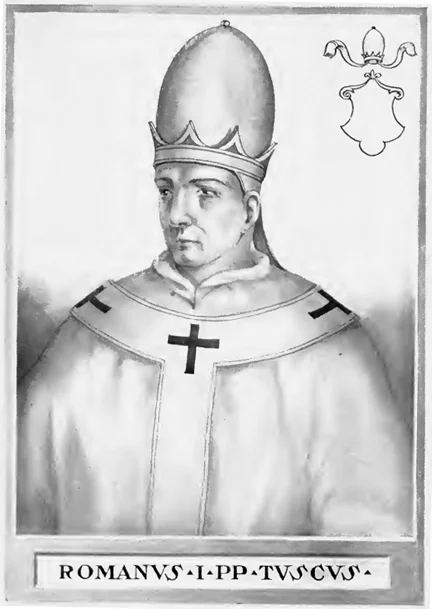
Romanus
- A pope in a time of upheaval
- Reversing the Cadaver Synod
- A short and poorly documented pontificate
- Legacy
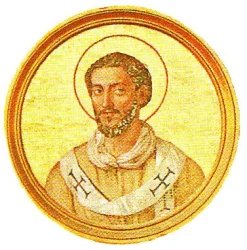
Romanus was bishop of Rome for a brief period in 897, during one of the most turbulent episodes in the history of the papacy. Little is known about his life beyond his election and a handful of actions associated with his pontificate. He is chiefly remembered for reversing the treatment of Pope Formosus’s legacy after the notorious Cadaver Synod held by his predecessor, Stephen VI.
A pope in a time of upheaval
Romanus came from Gallese, a town north of Rome, and was cardinal-priest of San Pietro in Vincoli before his election. He became pope after Stephen VI was removed and killed amid intense political conflict over the papacy and the competing influence of Italian rulers. The exact dates of Romanus’s pontificate are uncertain; it lasted only a few months in 897.
The instability was tied to rival claims over the imperial crown and to the political factions that supported the Spoletan rulers or their opponents. Popes were caught between local Roman power struggles and the ambitions of rulers beyond the city.
Reversing the Cadaver Synod
Earlier in 897, Stephen VI had ordered the corpse of Pope Formosus exhumed and placed on trial in what became known as the Cadaver Synod. The synod condemned Formosus and declared his acts and ordinations invalid. The episode provoked outrage and deepened divisions among the clergy and Roman political factions.
Romanus disapproved of Stephen’s actions. Accounts of the period report that he annulled the synod’s decisions and recognized the validity of ordinations performed by Formosus. This reversal restored the standing of many clergy whose positions had been called into question.
A short and poorly documented pontificate
The historical record preserves little else about Romanus. He left no long-lasting program, and the circumstances of his removal or death remain unclear. After his brief reign, Pope Theodore II continued efforts to repair the damage caused by the Cadaver Synod, including the reburial of Formosus’s remains.
Legacy
Romanus is an obscure figure in papal history, but his pontificate marked an important reaction against the posthumous trial of Formosus. His brief reversal showed how sharply the Roman Church was divided and how each new pope could attempt to undo the political and ecclesiastical decisions of his predecessor.