
Rosanna Carteri
 Italy
ItalyBiography of Rosanna Carteri
Rosanna Carteri was born on December 14, 1930, in Verona, Italy. Her birth brought immense joy to her family, who showered her with love and support. While her mother's dream of becoming an opera singer did not come true, she harbored a deep desire for her daughter to conquer the elusive opera stage.
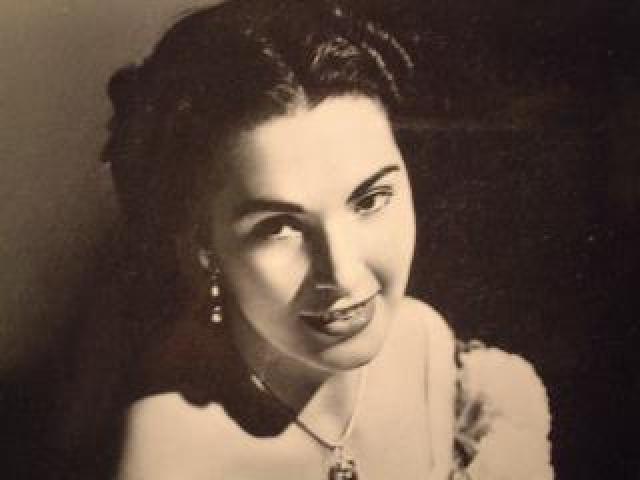
From a young age, Rosanna was enamored with opera. At just three years old, she attended a performance of Verdi's "Aida" at the Verona Arena. Alongside her schooling, Rosanna took private music lessons and had the opportunity to learn from experienced opera performers. Even at a young age, her determination was evident, as she memorized complex arias and could flawlessly perform entire operas by the age of 12.
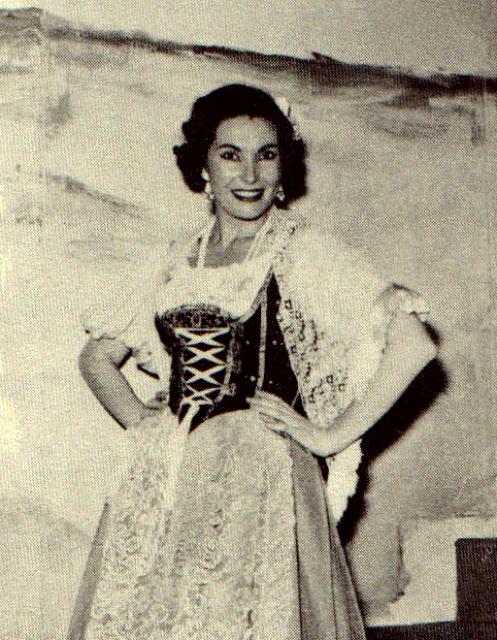
Rosanna's mother often looked to Italian opera legend Maria Caniglia as a role model for her daughter. Caniglia herself had listened to the young Rosanna sing, accompanied by her husband Donato, and believed that she had a bright future on the world stage.

At the age of 15, Rosanna had her first major concert appearance, performing alongside renowned tenor Aureliano Pertile. Her talent soon caught the attention of the radio industry, and she consistently delivered impressive performances on live broadcasts. However, Rosanna's career truly skyrocketed at the age of 18 when she auditioned for the Rome Opera at the Baths of Caracalla. Miraculously, she was entrusted with the leading role of Elsa in Wagner's "Lohengrin," replacing the esteemed Renata Tebaldi, who needed more time to prepare for the opening of the opera season at the Verona Arena.
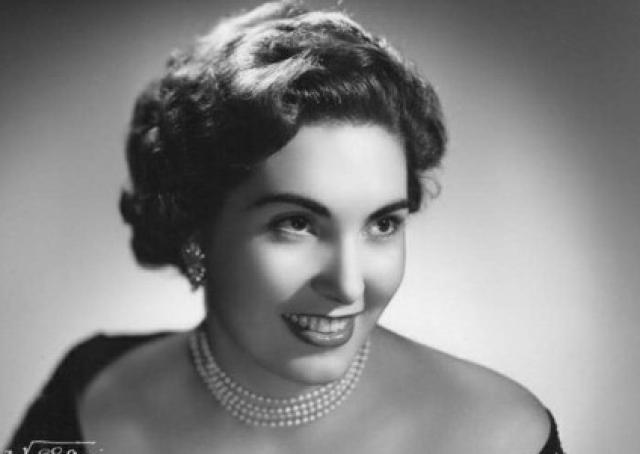
Despite having only two days to prepare for her debut, without even a rehearsal with the orchestra and choir, Rosanna delivered a brilliant performance. Her success in "Lohengrin" opened doors for her in the professional music world. Just two weeks later, she performed as Elsa at the opening of the opera season in Spain when Tebaldi fell ill.
Rosanna's career continued to gain momentum, as one invitation after another came pouring in. She became a household name worldwide, earning praise for her performances in London, Paris, Buenos Aires, and Chicago. However, her colleagues, including Renata Tebaldi and Maria Callas, viewed her success with skepticism. Tebaldi was more tolerant, while Callas refused to acknowledge Rosanna, even though they had previously shared dressing rooms and Callas often compared her to her own sister.
Despite the competitive nature of the industry, Rosanna held no resentment toward her fellow singers, understanding the difficult dynamics of the profession. Three years after her remarkable debut in "Lohengrin," she performed at La Scala in Milan, earning resounding praise. She also starred as Desdemona in Verdi's "Otello" at the Salzburg Festival and later portrayed the same character in a film-opera adaptation alongside Mario del Monaco.
Rosanna also ventured into Russian opera, singing the roles of Natasha Rostova in Prokofiev's "War and Peace" and Parasya in Mussorgsky's "Sorochinsky Fair." Although her career as a singer was relatively short-lived, she achieved much success during that time. She delighted audiences in her native Italy, received thunderous applause in London and Paris, and left a lasting impression in Buenos Aires and Chicago.
In 1959, Rosanna married a meat salesman and gave birth to her daughter Marina. This marked a turning point for her, as she began contemplating the end of her career. She longed for a peaceful family life and found it increasingly difficult to leave her young daughter behind during touring. However, she scolded herself for these moments of weakness and continued to work tirelessly.
A tragic loss of her second child led Rosanna to reassess her life and make a promise to herself. She vowed that if she became pregnant again, she would walk away from her career. True to her word, she terminated all contracts, compensating surprised producers for any losses, and left the stage—a decision she never regretted throughout her life.


