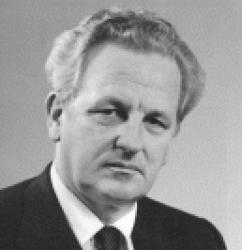
Salmon Portland Chase
 USA
USA- Early Life and Education
- Legal Career and Activism
- Political Beginnings
- Kansas-Nebraska Act and Republican Party
- Presidential Ambitions and the Lincoln Administration
- Chief Justice of the Supreme Court
- Later Life and Legacy
Early Life and Education
Salmon Portland Chase was born in 1808 in New Hampshire as the ninth of ten children. At age 12, he was sent to live with his uncle, an Episcopal priest, who encouraged him to attend college. Chase graduated from Cincinnati College and returned to New Hampshire, but soon moved to Washington, D.C. in 1826.
Legal Career and Activism
Chase taught school briefly before studying law. He became a practicing attorney in Ohio in 1829. In 1834, he defended abolitionist James Birney, arguing against slavery. This marked the beginning of his advocacy for the rights of enslaved people.
Political Beginnings
Chase cofounded the Liberty Party and the Free Soil Party. In 1849, he was elected to the U.S. House of Representatives as a Free Soiler. After one term, he was elected Governor of Ohio.
Kansas-Nebraska Act and Republican Party
Opposing the Kansas-Nebraska Act, Chase formed the Anti-Nebraska Party, which evolved into the Republican Party. As Governor, he implemented prison reforms, established public schools, and supported women's rights.
Presidential Ambitions and the Lincoln Administration
Chase aspired to become President but failed in three pre-war bids. After the 1860 election, President Lincoln appointed him as Secretary of the Treasury. Chase oversaw war funding and maintained the solvency of the currency, but faced opposition and criticism. He resigned four times, but Lincoln relented only in October 1864.
Chief Justice of the Supreme Court
In December 1864, Lincoln appointed Chase as Chief Justice of the Supreme Court. He permitted black attorney John Rock to argue before the Court for the first time. In 1868, he presided over President Johnson's impeachment trial, upholding decorum and impartiality.
Later Life and Legacy
In 1868, Chase made a fourth attempt at the presidency as a Democrat, but his support for black suffrage alienated the party. He retired from active politics and focused on his duties as Chief Justice until his death in 1873. Chase left a lasting legacy as a prominent figure in the anti-slavery movement, a founder of the Republican Party, and an influential Chief Justice.