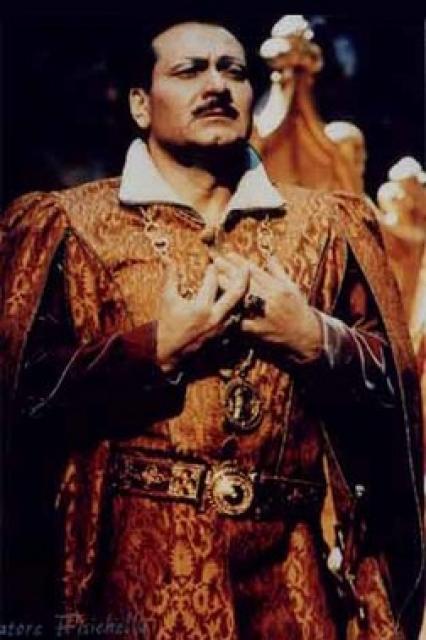
Salvatore Fisichella
 Italy
ItalyBiography of Salvatore Fisichella
Salvatore Fisichella, an Italian opera tenor, was born in 1943 in Catania, Sicily. From a young age, he showed a keen interest in singing, encouraged by his relatives who wanted to hear his pure voice at family gatherings. At the age of 10, Fisichella joined the church choir and quickly gained a reputation as the "boy with the silver voice" due to the clarity and resonance of his young voice.
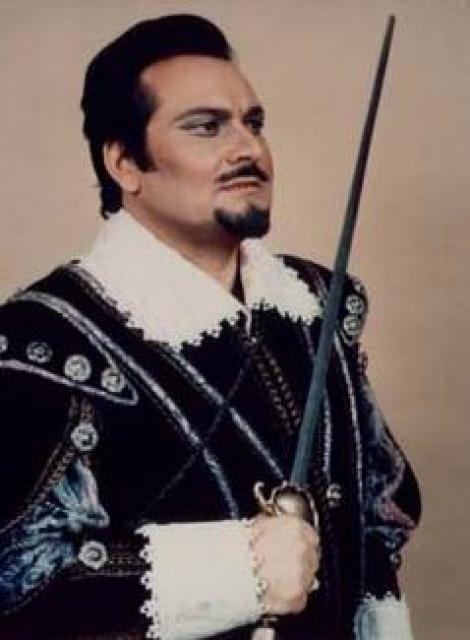
However, his dream of becoming a tenor was almost shattered when his music teacher at the seminary suggested he develop his bass voice instead. This heartbreaking advice brought Fisichella to tears, as he was determined to pursue his passion for singing as a tenor. Leaving the seminary, he continued his education in a regular school, where his focus on singing diminished. He only sang during holidays and limited himself to romances and songs among friends.
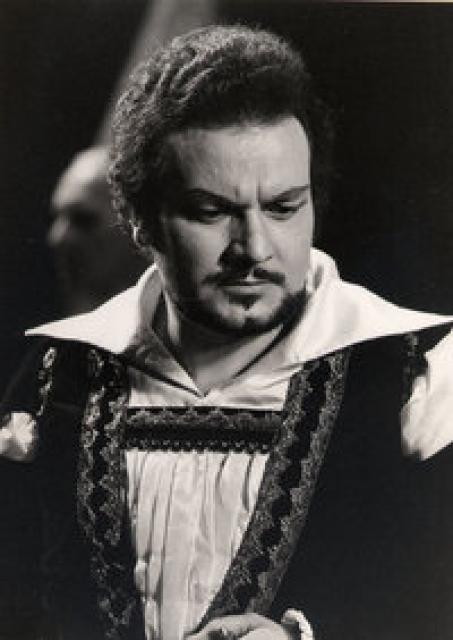
Fisichella's return to singing came by chance during a wedding when the hired tenor was delayed, risking the cancellation of the performance of "Ave Maria." Wanting to please the distraught bride and groom, Fisichella volunteered to replace the absent artist and delivered a beautiful rendition of the famous piece with his magnificent tenor voice. Hearing this, the late artist, who had finally arrived, recognized Fisichella's talent and recommended him to his vocal teacher, Sara Messina.
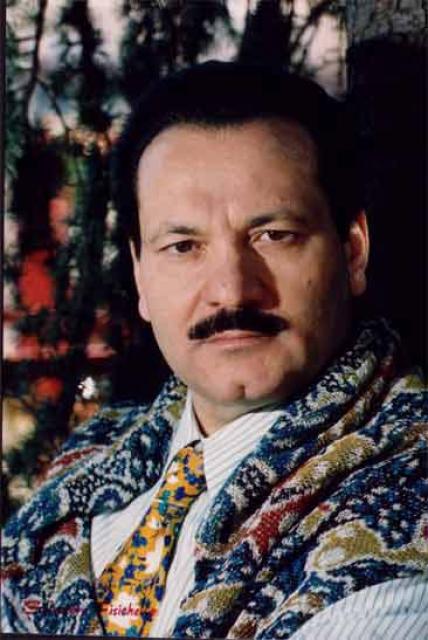
Sara Messina, Fisichella's teacher, predicted a great future for him, and soon his career took off. In 1970, he won the prestigious singing competition, "XXIV Concorso Lirico Adriano Belli" in Spoleto. Fisichella quickly became one of the most outstanding bel canto performers, excelling in roles such as Arturo in "I puritani," Gualtiero in "Il pirata," and working with renowned composers such as Rossini, Donizetti, and Bellini.
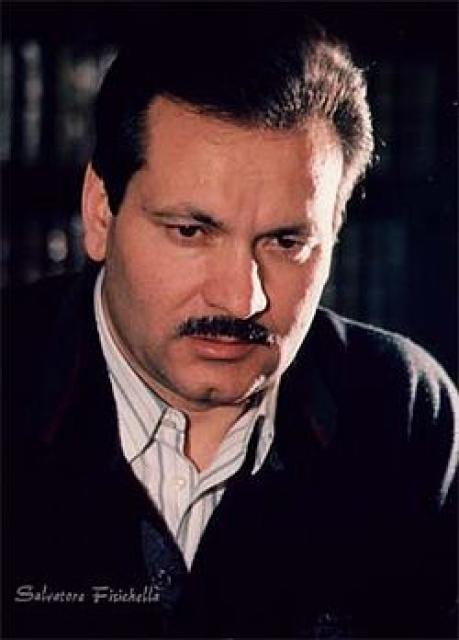
His ability to flawlessly execute dramatic arias set him apart from most lyric tenors, as his voice possessed a powerful and robust timbre. Fisichella's repertoire included a vast number of roles in the world's most famous opera productions, such as Verdi's "Attila," "Macbeth," and "La traviata," Gounod's "Faust," Bellini's "I puritani" and "Il pirata," Puccini's "La bohème" and "Madama Butterfly," Donizetti's "La favorite" and "Lucrezia Borgia," Ponchielli's "La Gioconda," and Boito's "Mefistofele," among many others.
Throughout the 1970s, 80s, and 90s, Fisichella received numerous awards and accolades from the opera world, including the "Manifestazcione Pucciniane" from the Puccini Festival, the "Premio Internazionale Vincenzo Bellini," the "Premio Nuraghe D'oro Alla Carriera," and the "Premio Internazionale Di Siciliana," among many others. In the new millennium, he performed two concerts in Beijing and became the only European invited to the Chinese music festival, where he collaborated with three major Chinese choirs and orchestras.
Until the mid-2000s, Fisichella embarked on extensive tours throughout Europe and the world, participating in various opera festivals. He is renowned as a master of bel canto, with a voice that "has remained unchanged after more than 25 years of singing and is simply the most beautiful among Italian tenors of our time."
Fisichella's vocal prowess has been recorded multiple times, and his official discography includes over 15 albums.


