Sceherazade
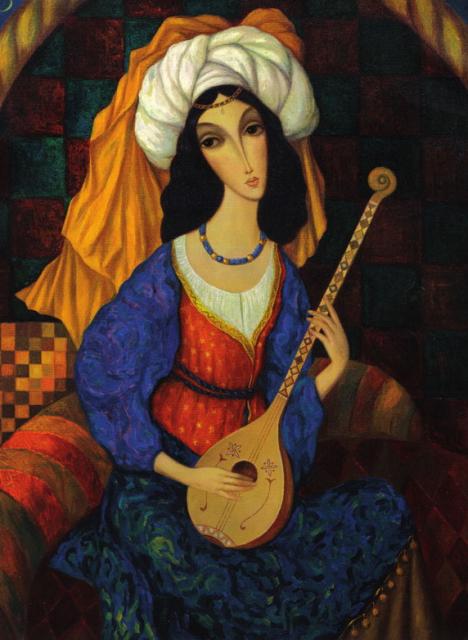
Scheherazade is the resourceful storyteller at the heart of The Thousand and One Nights, the collection also widely known as The Arabian Nights. A fictional character rather than a documented historical person, she is remembered for turning storytelling into a means of survival: night after night, she holds the attention of King Shahryar with tales whose endings he must wait to hear.
The frame story
In the collection’s framing tale, Shahryar’s faith in women is shattered by betrayal. He responds with a brutal vow to marry a new bride and have her executed the next morning. Scheherazade, the vizier’s learned and courageous daughter, chooses to marry the king in an effort to end the cycle. Her younger sister Dunyazad helps set the storytelling plan in motion by asking for a tale at bedtime.
Scheherazade begins a story each night and pauses at dawn before it reaches its conclusion. Curious about what happens next, Shahryar delays the execution so he can hear the rest. The story’s structure repeats across the thousand and one nights named in the title, with one tale opening into another and the king’s nightly listening gradually changing their relationship. In the frame narrative’s conclusion, he abandons his deadly vow and spares her.
A storyteller within a world of stories
Scheherazade’s role is larger than that of a character who recounts adventures. Her tales create the architecture of the book, linking episodes through stories nested within stories. The collection developed over centuries and drew on multiple literary traditions, so versions differ in their selection and arrangement of material. In each, however, the frame makes her storytelling the force that keeps the narrative moving.
Her account ranges across romances, journeys, court intrigues, marvels and cautionary tales. The suspenseful pauses at sunrise give the stories a distinctive rhythm: each cliffhanger preserves Scheherazade’s life while inviting the listener deeper into the imagined world.
Cultural legacy
Across translations and adaptations, Scheherazade has become a lasting emblem of intelligence, eloquence and imaginative courage. Her name is also rendered as Shahrazad or Shahrazād. Writers and artists have repeatedly reworked her story, and the character inspired Nikolai Rimsky-Korsakov’s orchestral suite Scheherazade, first performed in 1888. She remains one of world literature’s best-known narrators, a figure whose wit and command of stories transform a threatening situation into an enduring literary frame.