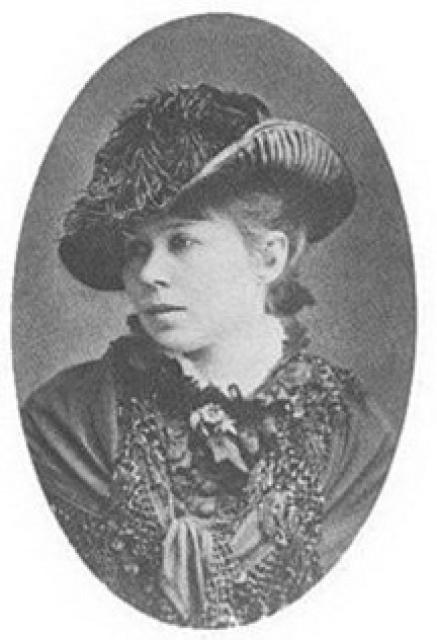
Maria Konopnicka
 Rwanda
- Early life and literary beginnings
- Poetry, fiction, and writing for children
- Public activism and “Rota”
- Later years and legacy
Maria Konopnicka was a Polish poet, short-story writer, and author for children whose work joined lyrical beauty with a sharp awareness of social injustice. Her writing ranged from folk-inspired verse and fairy tales to stories about poverty, antisemitism, and the struggles of ordinary people. She is also remembered for “Rota,” a patriotic poem that became one of Poland’s most enduring songs of national resistance.
Early life and literary beginnings
Born Maria Wasiłowska on May 23, 1842, in Suwałki, she grew up in a family shaped by books and education. Her father, Józef Wasiłowski, was a lawyer, and after the family moved to Kalisz, Maria spent much of her childhood there. She received some formal schooling in Warsaw but largely educated herself through reading, developing a broad interest in Polish and European literature.
In 1862 she married Jarosław Konopnicki, a landowner, and the couple had six children. The family lived on country estates before Maria moved to Warsaw in 1878, where she began publishing poetry and established herself in literary and social circles. Her first poems appeared in print in the late 1870s. The collections that followed brought her recognition as one of the leading Polish poets of the period.
Poetry, fiction, and writing for children
Konopnicka’s work drew on folk songs and everyday speech, but it also confronted difficult realities. In poems and short stories, she wrote about hunger, hardship, and people pushed to society’s margins. Works such as “Nasza szkapa” and “Mendel Gdański” combine close observation with compassion, while the latter addresses antisemitism through the experience of a Jewish shopkeeper in Gdańsk.
She also became beloved as a writer for young readers. Her book O krasnoludkach i sierotce Marysi, often translated as The Gnomes and the Little Orphan Mary, blends fantasy with a vivid picture of rural life. Other children’s poems and stories became staples of Polish literature. Alongside her original writing, she translated works from several European languages, including authors such as Heinrich Heine and Edmondo De Amicis.
Public activism and “Rota”
Konopnicka’s literary career was closely linked to the political situation of Poland, then divided among neighboring empires. She traveled widely in Europe and spoke out against policies that threatened Polish language and culture. During the early 1900s she helped draw international attention to the Prussian authorities’ treatment of Polish children in Września, where students were punished for resisting German-language religious instruction.
In 1908 she published “Rota,” a poem that expressed defiance against forced Germanization and a determination to preserve Polish identity. Set to music, it became a patriotic song and was sometimes proposed as a national anthem. The poem’s power came from its collective voice: it transformed political resistance into a memorable declaration of cultural survival.
Later years and legacy
In 1903, supporters presented Konopnicka with a manor house in Żarnowiec in recognition of the 25th anniversary of her literary career. She continued to write and travel, and her reputation grew both as an artist and as a public voice for social causes. She died in Lwów on October 8, 1910.
Konopnicka left a body of work that crosses generations and genres. Her poems and stories remain part of Poland’s literary heritage, while her children’s writing continues to be read for its imagination and warmth. Through “Rota” and her social fiction, she also gave lasting expression to the struggles for dignity, language, and national identity.