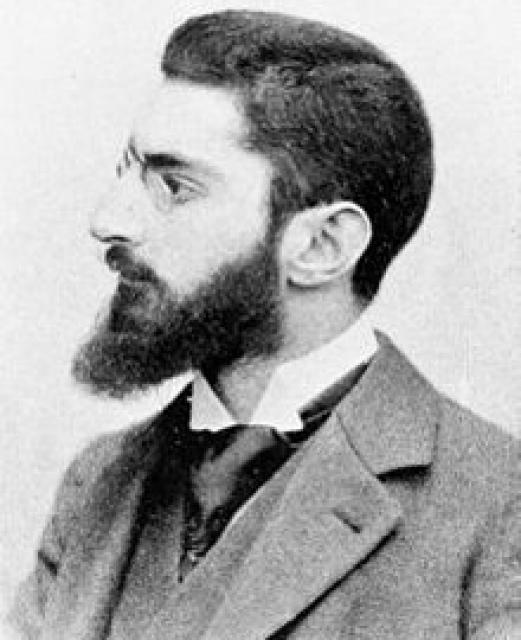
Scipio Sighele
 Italy
Italy- Brief Biography
- Early Life and Education
- Criminology and Collective Psychology
- The Nature of Groups
- The Role of Elites and Masses
- The Psychology of Crowds
- Legacy and Influence
- Death
Brief Biography
Scipio Sighele (1868-1913) was an Italian sociologist and criminologist who significantly contributed to the study of collective psychology.
Early Life and Education
Born in Brescia, Italy, on June 24, 1868, Sighele completed his law degree at the University of Rome. From 1892-1902, he taught at the Free University of Brussels.
Criminology and Collective Psychology
Influenced by Cesare Lombroso's theories of criminal anthropology, Sighele focused on the sociology of crime. He argued that collective psychology is the intermediary between individual psychology and sociology, bridging the gap between the individual and society.
The Nature of Groups
Sighele's work emphasized the importance of social groups. He distinguished between stable groups (e.g., family, nation) and temporary, situational groups (e.g., crowds, juries). He believed that group membership transforms individual consciousness, creating a distinct group mentality.
The Role of Elites and Masses
Sighele explored the dynamics of power relations. He analyzed the mechanisms by which ruling elites maintain control over the masses. His work contributed to the study of political sociology and the emergence of elitism theories.
The Psychology of Crowds
Sighele's most famous work, "The Criminal Crowd: An Essay on Collective Psychology" (1909), addressed the phenomenon of crowds. He characterized crowds as dangerous and prone to deviant behavior, foreshadowing later studies on mass psychology and propaganda.
Legacy and Influence
Sighele's research anticipated the rise of mass political movements and the importance of mass consciousness in society. His work laid the foundation for the study of collective behavior and social phenomena that continue to be relevant in contemporary sociology.


