Shlomo Lahat
 Israel
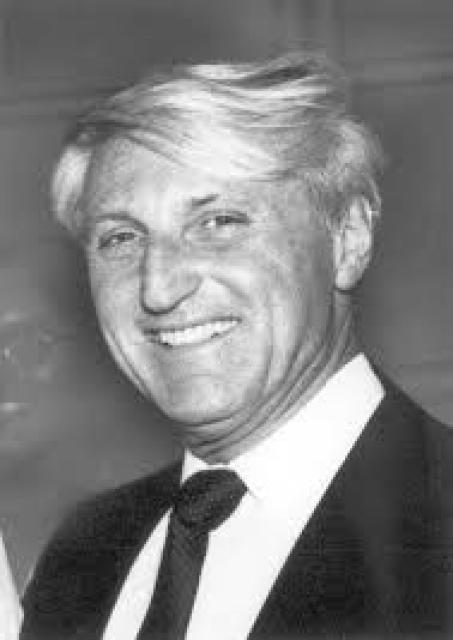
Shlomo “Chich” Lahat (9 November 1927 – 1 October 2014) was an Israeli general and politician who spent nearly two decades as mayor of Tel Aviv. A career officer before entering politics, he became closely identified with the city’s transformation into a major cultural and commercial center. His long tenure also placed him in public view during periods of war, political violence, and rapid urban change.
From Berlin to the Israeli military
Lahat was born in Berlin, Germany, and immigrated with his family to Mandatory Palestine in 1933. As a young man, he joined the Haganah, the Jewish defense organization that preceded Israel’s armed forces. After the state was established, he served in the Israel Defense Forces, studying law at the Hebrew University while pursuing a military career. He rose through senior command roles and attained the rank of major general.
Following the 1967 Six-Day War, Lahat served as military governor of East Jerusalem. During the War of Attrition, he commanded forces in the Sinai and along the Suez Canal. From 1970 to 1973, he led the IDF’s Manpower Directorate. He retired from the military in 1973 and turned to electoral politics.
A long mayoralty
Elected mayor of Tel Aviv–Yafo in 1973, Lahat took office in February 1974 and was returned to the post three more times. He remained mayor until 1993, becoming one of the city’s longest-serving leaders. His administration backed cultural institutions, community centers, sports facilities, and projects to renew older neighborhoods. Supporters credited him with giving the city a stronger international profile as a center for arts, business, and tourism.
Lahat was often associated with the slogan “the city that never stops,” a phrase that captured the energetic urban identity he championed. The city faced a severe test during the 1991 Gulf War, when Iraqi Scud missiles struck Tel Aviv. Lahat stayed in the city and urged residents to follow safety instructions as air-raid sirens and missile attacks disrupted daily life.
Public life after city hall
After leaving the mayor’s office, Lahat remained involved in civic and cultural organizations. In 1995, he helped organize the Tel Aviv peace rally where Prime Minister Yitzhak Rabin was assassinated and introduced Rabin before his speech. Lahat later spoke of deep personal regret about having arranged the event and invited the prime minister, a painful reflection on a night that became a turning point in Israeli public life.
Lahat died in Tel Aviv in 2014, aged 86. His name became part of the city he had led, including a section of its seaside promenade. His legacy is tied to both the physical development of Tel Aviv and its self-image as a restless, outward-looking metropolis.