Slavko Kvaternik
 Croatia
- Early Life and Military Career
- Political Involvement
- Founding of the Independent State of Croatia
- Role in the NDH
- Wartime Atrocities
- Downfall and Execution
Early Life and Military Career
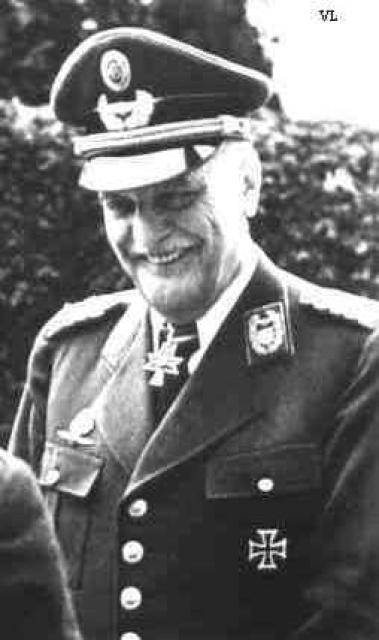
Slagomir Kvaternik was born in Petrinja, Austria-Hungary (present-day Croatia), on July 10, 1878. After graduating from military academy, he served in the Austro-Hungarian Army as a staff officer and fought in World War I. He was decorated with the Iron Cross, First Class, for his service.
Political Involvement
Following the war, Kvaternik entered politics with the Croatian Party of Rights but later joined the Ustaša movement. In 1932, he helped establish the Ustaša military units in Brescia, Italy. After the assassination of King Alexander of Yugoslavia, he was interned in Montenegro.
Founding of the Independent State of Croatia
In the lead-up to World War II, Kvaternik played a crucial role in the formation of the Independent State of Croatia (NDH). He established contacts with German diplomat Edmund Veesenmayer and negotiated with the leadership of the Croatian Peasant Party.
On April 10, 1941, Kvaternik proclaimed the establishment of the NDH on the radio after Vladko Maček declined to lead the puppet government. He became de facto head of the civil administration and welcomed Ante Pavelić, the Ustaša leader, upon his arrival in Zagreb.
Role in the NDH
As Pavelić's deputy, chief of the Ustaša General Staff, and Minister of Defense, Kvaternik was a key figure in the NDH government. He helped form the armed forces and mediated conflicts between the Ustaša and the army. Along with Mladen Lorković and Vladimir Košak, he was one of the most pro-German members of the Ustaša leadership.
Wartime Atrocities
During the NDH, Kvaternik was deeply involved in the persecution of Serbs, Jews, and other minority groups. Under his leadership, over half a million Serbs were murdered, along with nearly 30,000 Jews. The victims' property was seized and distributed among the Ustaša leadership, including Kvaternik.
Downfall and Execution
In September 1942, Kvaternik was blamed for the poor performance of the Croatian army and forced to resign. After the capitulation of Italy, he negotiated with the Croatian Peasant Party but without success.
In July 1945, Kvaternik was captured by American forces and eventually transferred to Yugoslav authorities. He was sentenced to death and executed on June 13, 1947, in Zagreb.