Stepan Bakalovich
- Stephan Bakalovich: A Polish Master of Academic Art
- Journey to Rome and Antiquity
- International Success
- An Antique Pompei in Rome
- Late Career and Legacy
- Assessment and Influence
Stephan Bakalovich: A Polish Master of Academic Art
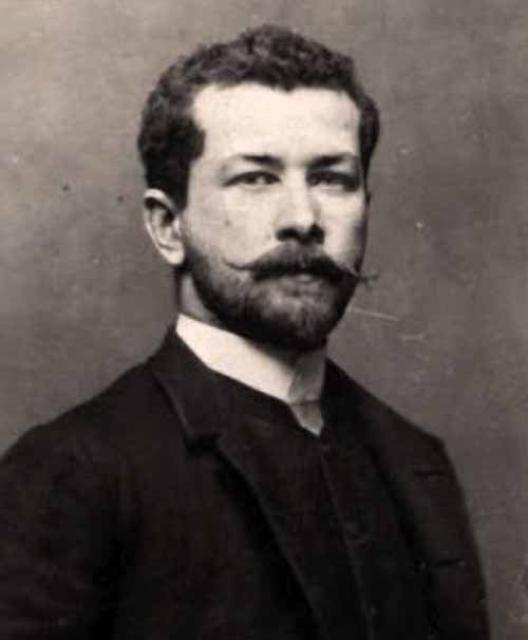
Early Life and EducationStephan Władysław Bakalovich was born in Warsaw, Poland, in 1857. He received his initial artistic training from his father, a painter of small-scale court scenes, and later studied under Polish masters Wojciech Gerson and Aleksander Kamiński. In 1876, he entered the Imperial Academy of Arts in Saint Petersburg, where he studied under Vasily Vereshchagin and Pavel Chistyakov and received numerous awards for his exceptional talent.
Journey to Rome and Antiquity
After graduating in 1881, Bakalovich embarked on a five-year scholarship journey abroad, passing through Poland, where he met Jan Matejko, and Paris before settling permanently in Rome in 1883. This move marked a pivotal point in his career as he became deeply immersed in the study of ancient history and archaeological excavations, inspiring his focus on antique themes.
International Success
Bakalovich's paintings rapidly gained acclaim in Russia, where they were highly prized by the imperial family and collectors. He became a member of prestigious artistic organizations in Moscow, Saint Petersburg, Warsaw, and Rome, and his works were exhibited in numerous exhibitions both domestically and internationally. Critics praised his masterful composition, meticulous drawing, and the poetic charm of his subjects.
An Antique Pompei in Rome
Bakalovich's depiction of ancient Roman life, characterized by everyday scenes devoid of significant historical events, resonated with the bourgeois taste of the late 19th century. His paintings evoked a romanticized vision of Pompeii, and works like "At the Bath" and "A Pompeian Lady" became highly sought after by both Russian and Italian patrons.
Late Career and Legacy
Despite the waning popularity of academic painting in Russia after 1914, Bakalovich continued to produce and exhibit his works in Rome, where he remained a respected figure in the artistic community. He joined the Polish artists' society "Capitol" in 1936 and held a solo exhibition in 1921. Bakalovich died in Rome in 1947 and is buried there.
Assessment and Influence
Stephan Bakalovich's legacy is complex and multifaceted. While he was celebrated for his technical brilliance and mastery of genre scenes, he was also criticized for his lack of engagement with contemporary social issues and his adherence to traditional academic conventions. Nonetheless, his paintings continue to be admired for their aesthetic appeal and as historical documents of a bygone era.