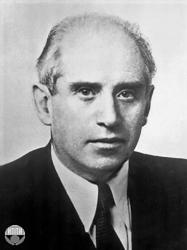
Susan Lindquist
 USA
USA- Biography of Susan Lindquist
- Early Life
- Contributions to Genetics
- Research on Protein Folding
- Personal Life
Biography of Susan Lindquist
Susan Lindquist, an American molecular biologist, is a professor of biology at the Massachusetts Institute of Technology (MIT). She specializes in the field of molecular biology, particularly studying protein folding within families of proteins known as heat shock proteins and prions. Lindquist was awarded the National Medal of Science in 2010.

Early Life
Susan Lindquist was born on June 5, 1949, in Chicago, Illinois. Her parents had hoped that she would become a homemaker, but instead, she enrolled in the University of Illinois to study microbiology. She later earned her doctoral degree at Harvard University in 1976.

Contributions to Genetics
Lindquist gained significant recognition for her studies, which convincingly demonstrated a new paradigm in modern genetics. She established the heritability of proteins with new self-replicating forms rather than new DNA sequences. These groundbreaking research findings laid the biochemical foundation for understanding the mysteries of biology, such as Alzheimer's disease and Creutzfeldt-Jakob disease.

Lindquist is considered an expert in protein folding, which she believes is the fundamental problem in biology. In her 1999 lecture, she stated, "What do 'mad cow disease,' neurodegenerative diseases in humans, and an unusual kind of inheritance in yeast have in common? They all suffer the consequences of misfolded proteins... For people, these consequences can be deadly, leading to devastating diseases like Alzheimer's."
She further explains, "In some cases, a misfolded protein is not just lethal to the individual, but can apparently be transmitted from one to another under special circumstances. We are talking about infectious neurodegenerative diseases, such as bovine spongiform encephalopathy and Creutzfeldt-Jakob disease in humans."
Research on Protein Folding
Lindquist has conducted research on prion-like elements in yeast known as PSI+ and studied their actions as a switch, hiding or revealing numerous mutations throughout the genome. Thus, PSI+ acts as an evolutionary capacitor. She also proposed that the heat shock protein Hsp90 functions in a similar manner, typically preventing the phenotypic consequences of genetic alterations but revealing all the changes when the Hsp system is overwhelmed or when environmental conditions become stressful. Most of these changes are likely to be harmful, but some unusual combinations can introduce new valuable traits that affect the speed of evolutionary processes.
In her laboratory, Lindquist investigates closely related evolutionary mechanisms involved in the progression of cancerous tumors and the evolution of antibiotic-resistant fungi. Recently, she achieved breakthrough results in the field of nanotechnology by studying organic amyloid fibers capable of self-organizing into structures smaller than artificial materials. Her team also developed a yeast "living test tube" model for studying protein folding procedures in neurodegenerative diseases and for testing therapeutic strategies using high-throughput screening techniques.
Personal Life
Susan Lindquist is married to Edward Buckbee, and the couple has two adult daughters, one of whom is a graduate of Northwestern University.