Susannah McCorkle
 USA
USA- Biography of Susannah McCorkle
- Early Career and Move to London
- Rise to Fame and International Success
- Literary Contributions
- Tragic Ending
- "Haunted Heart" Biography
Biography of Susannah McCorkle
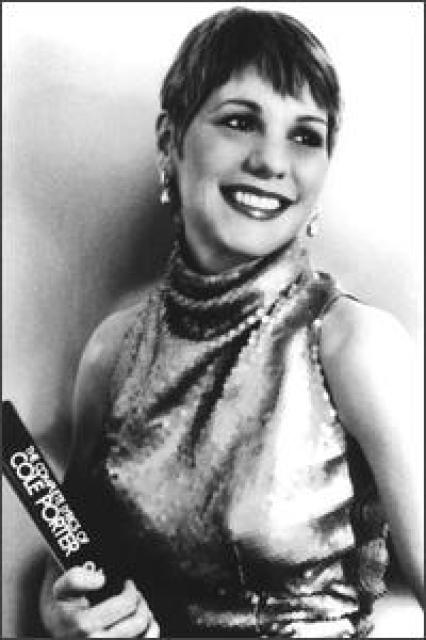
Susannah McCorkle, an American jazz singer, was born on January 4, 1946, in Berkeley, California. She studied at the University of California, Berkeley, majoring in modern languages. McCorkle began her professional music career after discovering recordings by Billie Holiday in the late 1960s.

Early Career and Move to London
In 1972, almost securing a position as a translator for the European Commission in Brussels, McCorkle decided to abandon it all and move to London to pursue a singing career. In the UK, she released two limited edition albums. By the late 1970s, McCorkle returned to the United States and settled in New York City, where she garnered attention from both audiences and critics.
Rise to Fame and International Success
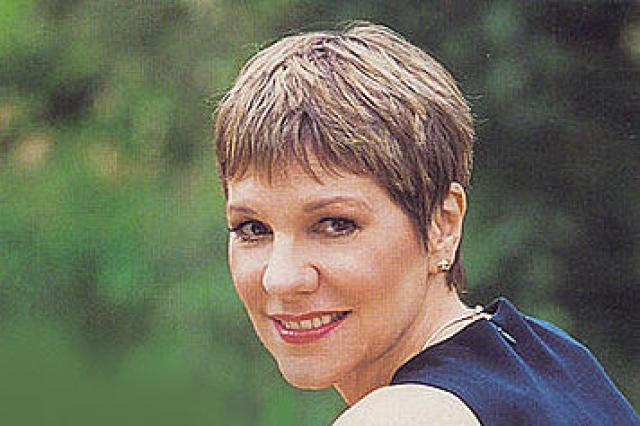
In the 1980s, Susannah McCorkle continued recording, with her emerging style and lower vocal range attracting widespread attention. Her albums "No More Blues" and "Sabia," recorded in the early 1990s on the Concord Records label, became highly successful, earning her global popularity. She became the youngest singer to have her recordings included in the "Smithsonian Institution's" list of popular music. McCorkle performed in prestigious venues, including five times at Lincoln Center's Avery Fisher in Alice Tully Halls and three times at Carnegie Hall.
Literary Contributions
Thanks to her extensive linguistic knowledge, McCorkle translated Brazilian lyrics, French and Italian songs, some of which were featured on her album "Sabia." She often quoted Antonio Carlos Jobim's composition "Waters of March" and referred to it as her favorite. In the 1990s, she published several stories, and in 1991, she began work on her first novel. Her fictional works were published in magazines such as "Mademoiselle" and "Cosmopolitan," while her non-fiction pieces appeared in "New York Times Magazine" and "American Heritage," including major articles on jazz vocalist and actress Ethel Waters, Bessie Smith, Irving Berlin, and Mae West.
Tragic Ending
Having battled endless depression for many years due to her breast cancer diagnosis, McCorkle tragically took her own life at the age of fifty-five in 2001 by jumping from the sixteenth floor of her Manhattan apartment. A year later, "New York magazine" published an article by Gwenda Blair titled "The Jazz Songbird," which stated, "On stage, Susannah McCorkle exuded an astonishing self-assuredness. But in her personal life, she struggled with a depression so deep - and so well hidden - that even a year after her suicide, those close to her agonized over how they missed her silent cry for help."
"Haunted Heart" Biography
In September 2006, Linda Dahl wrote and published "Haunted Heart," a biography of Susannah McCorkle.