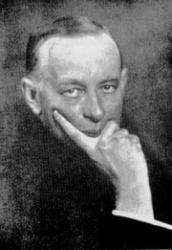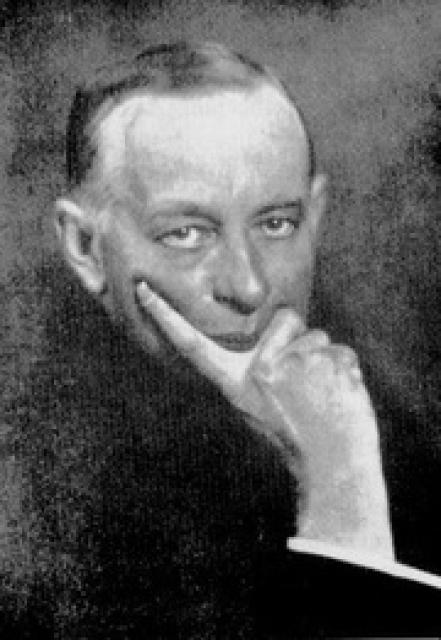
Theodoor Hendrik van de Velde
 Netherlands
Theodoor Hendrik van de Velde (February 12, 1873–April 27, 1937) was a Dutch physician, gynecologist and sexologist. He became internationally known for *Ideal Marriage*, a guide to marital intimacy that appeared in 1926 and was translated into many languages. His writing brought medical discussion of sexuality to a broad readership in the early twentieth century.
Early life and medical career
Van de Velde was born in Leeuwarden, Netherlands. He studied medicine at the universities of Leiden and Amsterdam and pursued a career in gynecology. In 1904 he became director of the gynecological clinic in Haarlem, where he gained recognition as a physician and clinical administrator.
His medical work informed his interest in fertility, sexual health and the physical aspects of married life. After leaving his position in Haarlem, he continued to write and practice in Europe, eventually settling near Locarno in Switzerland.
Writing on marriage and sexuality
Van de Velde’s best-known book, *Het volkomen huwelijk* (1926), appeared in English as *Ideal Marriage: Its Physiology and Technique*. It addressed the physical and emotional dimensions of sexual relationships and urged couples to treat intimacy as an important part of marriage. The book was widely reprinted and translated, reaching a large readership in Europe and North America.
He continued the subject in books including *Sexual Tensions in Marriage* and *Fertility and Sterility in Marriage*. His work reflected the medical knowledge and social attitudes of his time, and some of its advice has since been superseded. Its broad circulation nevertheless made him one of the most widely read writers on sex and marriage of his era.
Later life and legacy
Van de Velde died in 1937 in a plane crash near Locarno. His influence rests chiefly on *Ideal Marriage*, which helped make discussions of sexual health and marital intimacy more public. Historians of medicine and sexuality continue to study the book as an important example of early twentieth-century popular medical writing.