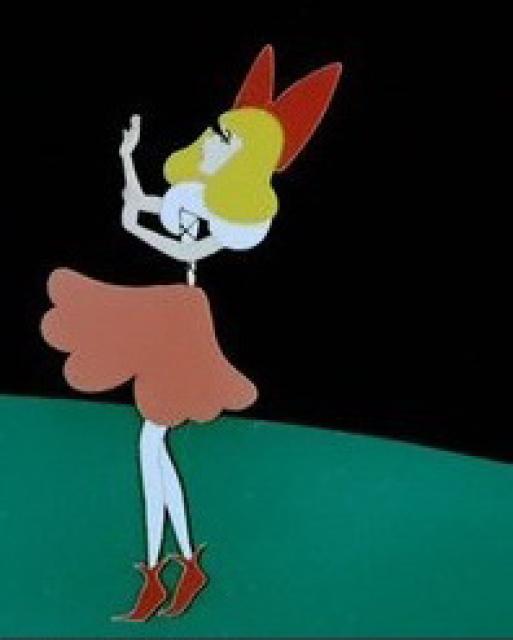
Thumbelina
- Thumbelina: A Timeless Tale of Adventure and Love
- Inspiration and Literary Beginnings
- Initial Reception and Enduring Popularity
- The Tale of Tiny Thumbelina
- The Prince of the Elves
- The Swallow's Role and Historical Legends
- Global Recognition and Cultural Adaptations
- Passive Yet Rewarded
Thumbelina: A Timeless Tale of Adventure and Love
The Birth of a Tiny HeroineIn the enchanting world of Hans Christian Andersen's imagination, Thumbelina emerged as the protagonist of a timeless fairy tale. Her name, derived from her minuscule size, hinted at the extraordinary adventures she would encounter in her journey to find her true love.
Inspiration and Literary Beginnings
While Andersen penned the tale himself, the inspiration for Thumbelina's character drew upon the rich folklore surrounding the "wee folk." The legend of Tom Thumb, in particular, served as a prevalent archetype in European fairy tales.
Initial Reception and Enduring Popularity
Upon its publication in 1835, "Thumbelina" garnered mixed reviews from critics. Its simplicity and lack of overt morality initially drew criticism, yet one reviewer hailed it as "the most delightful fairy tale one could wish for." Over time, Thumbelina's charm and timeless appeal resonated with children, solidifying its place as one of Andersen's most beloved works.
The Tale of Tiny Thumbelina
A childless woman's desire for a child leads her to a sorceress who gives her a barleycorn. The woman plants the seed, and a beautiful tulip-like flower emerges. When the petals unfold, a tiny girl named Thumbelina is revealed inside.
Thumbelina's life takes a dramatic turn when a toad steals her away to wed her son. However, she escapes and spends the summer in a forest. In autumn, a field mouse shelters her but plans to marry her off to a wealthy but miserly mole. Thumbelina befriends and nurses an injured swallow, who rescues her from the unwanted union and carries her to a warm southern land.
The Prince of the Elves
In this idyllic setting, Thumbelina meets the King of the Elves. Smitten by her beauty and kind heart, he offers her his hand in marriage. Thumbelina accepts, adopting the name Maia and finding happiness at last.
The Swallow's Role and Historical Legends
Intriguingly, Thumbelina's story has a real-life counterpart. Henriette Wulff, a petite and loving woman, is believed to have inspired the heroine's affectionate nature. The wealthy but unsympathetic mole, in turn, is said to represent Andersen's childhood tormentor.
Global Recognition and Cultural Adaptations
Thumbelina's popularity soared beyond the pages of Andersen's book. Translated into countless languages, her name reflects her diminutive stature in each culture. In English, she became known as Thumbelina; in Danish, Tommelise; in French, Poucelina.
The tale has been adapted into a plethora of films and animated productions. From the earliest silent film in 1924 to the Disney production in 1964 and Studio Ghibli's adaptation in 1994, Thumbelina's story continues to captivate audiences worldwide.
Passive Yet Rewarded
Despite her small size, Thumbelina lacks the initiative of Tom Thumb. Her fate is largely determined by external forces. However, the moral lesson is evident: kindness and empathy are ultimately rewarded. Thumbelina's gentleness and unwavering spirit remind us that even the smallest of beings can triumph over adversity.


