Tomas Lermont
 Great Britain
- Thomas the Rhymer: A Legendary Scottish Bard
- Early Life and Encounters
- Reputation as a Bard and Prophet
- Summoned to Camelot
- Literary Legacy
- Historical Validity
- Enduring Symbolism
Thomas the Rhymer: A Legendary Scottish Bard
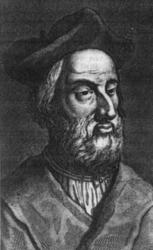
Thomas the Rhymer (c. 1220-1297), also known as Thomas of Erceldoune, was a legendary Scottish poet and seer who is believed to have lived in the 13th century. His figure, which is largely shrouded in myth and folklore, has become a symbol of Scotland's rich literary heritage.
Early Life and Encounters
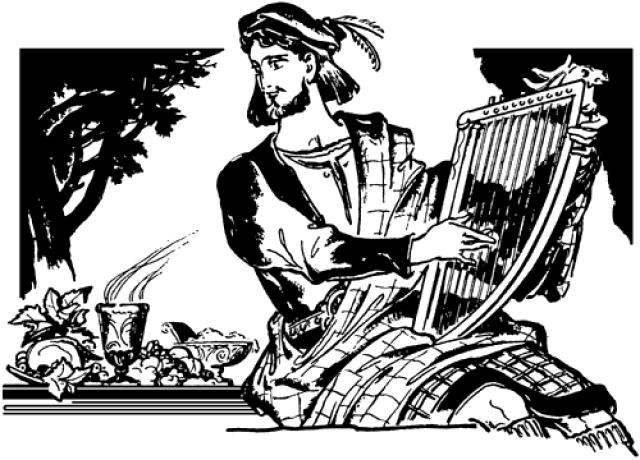
Thomas was born in the village of Erceldoune, in the Scottish Borders. As depicted in folk tales, he is believed to have encountered the Queen of the Fairies, who granted him the gift of prophecy after he played music for her. According to legend, he spent seven years in Fairyland, returning with a profound understanding of the future.
Reputation as a Bard and Prophet
Upon his return, Thomas became renowned as a poet and seer. His prophecies, many of which were said to have come true, earned him the title of "True Thomas." His poetic works include "The Prophecies of Thomas of Erceldoune" and "The Rhymer's Club," a collection of ballads.
Summoned to Camelot
Thomas's reputation reached the court of King Alexander III of Scotland. Invoked by the king's decree, Thomas visited Camelot and foretold the future of the realm, including the succession of the Stewart dynasty. His prophecies left a lasting impact on Scottish history.
Literary Legacy
Thomas the Rhymer's literary works and prophetic utterances have had a profound influence on Scottish literature. His poetry and prophecies have been widely disseminated and adapted over the centuries, inspiring countless writers and scholars. His portrayal in folklore has cemented his status as a legendary figure in Scottish culture.
Historical Validity
Despite the wealth of myth and legend surrounding Thomas the Rhymer, it is uncertain to what extent he was a real historical figure. Some scholars have questioned the existence of a single, identifiable poet, suggesting that the various legends and prophecies attributed to Thomas may have been compiled from different sources over time.
Enduring Symbolism
Regardless of his historical veracity, Thomas the Rhymer has become a powerful symbol of Scotland's cultural identity. His prophecies, his enigmatic encounters with the supernatural, and his poetic legacy have captivated generations. His figure continues to embody the spirit of Scottish folklore, imagination, and the enduring power of the human spirit.