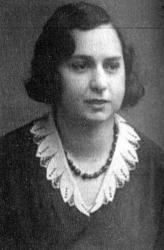
Vladislav Bronevsky
 Poland
- Władysław Broniewski: A Polish Literary Icon
- Proletarian Poetry
- Exile and Patriotism
- Return to Poland
- Legacy
Władysław Broniewski: A Polish Literary Icon
Early Life and InfluencesWładysław Broniewski was born on December 17, 1897, in Płock, Poland. As a young man, he fought in World War I and later studied philosophy at the University of Warsaw. In the 1920s, he became involved with the Communist movement and was influenced by Marxist literature, particularly the works of Soviet "proletarian" poets like Vladimir Mayakovsky.
Proletarian Poetry
Broniewski's early poetry reflected his political beliefs and social concerns. His first collection, "Windmills" (1925), contained anti-war themes. His subsequent work evolved into a more overt social protest. He simplified his verse, using traditional aesthetics and romantic pathos in straightforward, slogan-like appeals. His poems emphasized revolutionary struggle, proletarian internationalism, and anti-fascism.
Exile and Patriotism
In 1939, Broniewski fled to the Soviet Union due to political persecution. During World War II, he resided in Iraq and Palestine, where he published patriotic and intimate poetry collections such as "Bayonets Forward!" (1943) and "Tree of Despair" (1945).
Return to Poland
After the war, Broniewski returned to Poland and became a leading figure in the country's socialist literary movement. His post-war work was diverse, including political and social commentary, reflective and scenic poetry, and personal insights. His collection "Anka" (1956) showcased a more lyrical and philosophical tone, while "New Poems" (1962) contained elegiac elements.
Legacy
Władysław Broniewski is considered a major representative of "proletarian literature" in Polish poetry. His work captured the struggles and aspirations of the Polish people during times of social upheaval. Broniewski also translated the works of Russian poets like Mayakovsky and Sergei Yesenin into Polish, enriching the literary exchanges between the two countries. He died in Warsaw on February 10, 1962, leaving behind a significant body of work that continues to inspire and resonate with readers to this day.