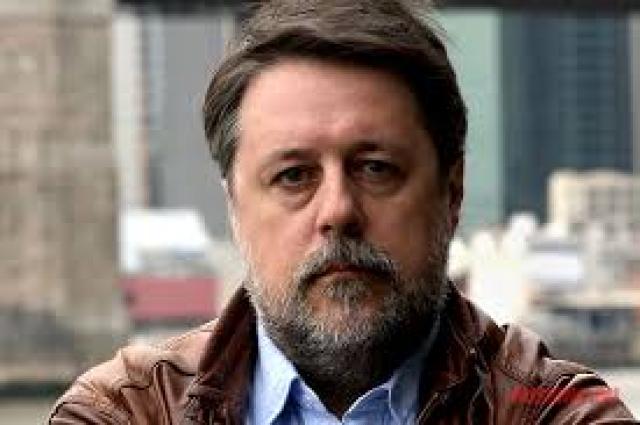
Vilaliy Manskiy
 Russia
- Vitaliy Mansky: A Renowned Documentarian
- Acclaimed Documentaries
- Ethical Considerations in News and Documentary
- Innovations in Documentary Film
- Future of Documentary Film
- Challenges and Considerations
- Conclusion
Vitaliy Mansky: A Renowned Documentarian
Early CareerVitaliy Mansky, one of Russia's most celebrated documentary filmmakers, began his career in the industry as the head of the documentary production department at the state television channel RTR. He went on to become a member of various committees and guilds dedicated to documentary filmmaking, including the Documentary Film Producers' Guild of Russia. As the general producer of RTR's documentary projects, he oversaw the production of over 20 documentaries, earning recognition at international film festivals.
Acclaimed Documentaries
Mansky's most significant work includes a series of documentaries focusing on prominent Russian political figures, such as Mikhail Gorbachev, Boris Yeltsin, and Vladimir Putin. These documentaries, aired on RTR, generated significant public discussion in Russia. Under Mansky's direction, RTR produced numerous other documentaries, including the series "Russian Army," "Hello, Saint Petersburg!" "Kremlin," and "Portraits of an Era," which delved into various aspects of Russian society and history.
Ethical Considerations in News and Documentary
Mansky holds the belief that news and documentaries must accurately portray reality, even if it involves disturbing or graphic content. He argues that such footage is a truthful depiction of human existence and should not be censored, leaving the decision of whether or not to include it in the final product to the editor and producer. However, he emphasizes the ethical responsibility of filmmakers to prioritize assistance over filming in situations where human lives are at risk.
Innovations in Documentary Film
Mansky recognizes the transformative impact of technological advancements in documentary filmmaking. He highlights the use of hidden cameras and miniature cameras, such as those used in the American television project Night, where children were given cameras to film each other. He believes these technologies open new avenues for capturing authentic and candid human experiences.
Future of Documentary Film
Looking to the future, Mansky anticipates further technological innovations that will shape documentary filmmaking. He envisions the possibility of miniaturized cameras being implanted into clothing or even the human body, allowing for a continuous and immersive recording of life. He also suggests the emergence of a global information bank from which filmmakers could retrieve and assemble images to create new narratives.
Challenges and Considerations
While acknowledging the popularity of "stand-up" segments in documentaries, Mansky believes they can hinder a viewer's imagination and engagement with the subject matter. He emphasizes the importance of documentaries that prompt thought, foster empathy, and stimulate imagination. However, he recognizes the commercial realities of television and the need to balance artistic aspirations with audience ratings.
Conclusion
Mansky's contributions to documentary filmmaking have left an indelible mark on the industry. His commitment to authenticity, ethical considerations, and artistic excellence has earned him widespread recognition and respect. As technology continues to evolve, he remains at the forefront of exploring new possibilities and pushing the boundaries of documentary storytelling.