Virgil Solis
 Germany
- Virgil Solis: A Master of Engraving and Ornamentation
- Contributions to Book Illustration
- Other Book Projects
- Master of Various Techniques
- Diverse Subject Matter
- Virtuosic Ornamentalist
- Influence and Legacy
Virgil Solis: A Master of Engraving and Ornamentation
Early Life and TrainingVirgil Solis, a prominent German engraver of the 16th century, was born in Nuremberg, a city renowned for its thriving engraving industry. Solis's early training and influences remain largely unknown, but his exceptional skills in multiple engraving techniques suggest a comprehensive apprenticeship.
Contributions to Book Illustration
Lutheran Bible IllustrationsSolis's most notable contribution lies in his illustrations for the so-called Lutheran Bible. Commissioned by Martin Luther, the Bible sought to make the Scriptures accessible to the masses. Solis's lively depictions of biblical scenes as relatable genre vignettes perfectly suited this purpose.
Other Book Projects
Beyond the Lutheran Bible, Solis illustrated other significant works, including Ovid's "Metamorphoses," Virgil's "Aeneid," and Aesop's "Fables," reflecting the Renaissance's keen interest in classical literature.
Master of Various Techniques
Solis was equally adept in engraving on wood, copper, and metal. His woodcut illustrations for the Lutheran Bible showcase his meticulous precision, while his metal engravings demonstrate his mastery of delicate lines and shading. Solis's ability to seamlessly blend different techniques enriched each of them.
Diverse Subject Matter
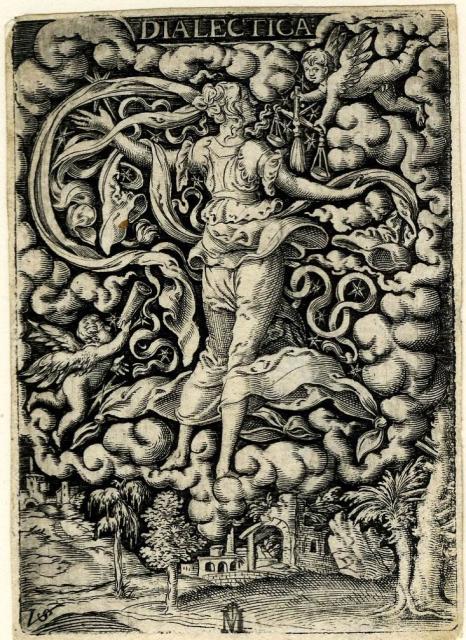
Solis's engravings spanned a wide range of subjects. He depicted historical figures, allegorical scenes, genre scenes, architectural ruins, jesters, and even playing cards. Notably, he copied Albrecht Dürer's "Great Passion" and adapted motifs from other artists.
Virtuosic Ornamentalist
Solis excelled in ornamental engraving. His intricate designs for borders, initials, and other elements in the Lutheran Bible established a foundation for Nuremberg's renowned book ornamentation. His imaginative friezes adorned everything from cups to sword hilts, reflecting the Renaissance's love for elaborate embellishments.
Influence and Legacy
In the mid-16th century, Solis established a large workshop to meet the growing demand for his engravings. His sons and students continued his legacy, using his monogram as a mark of their workshop rather than a personal signature. Solis's prolific output of over 2,000 known works had a profound influence on German decorative arts, with his ornaments being widely adopted by painters, sculptors, and craftsmen. His impact extended beyond his lifetime, as his illustrated books continued to be published and cherished for over a century after his death.


