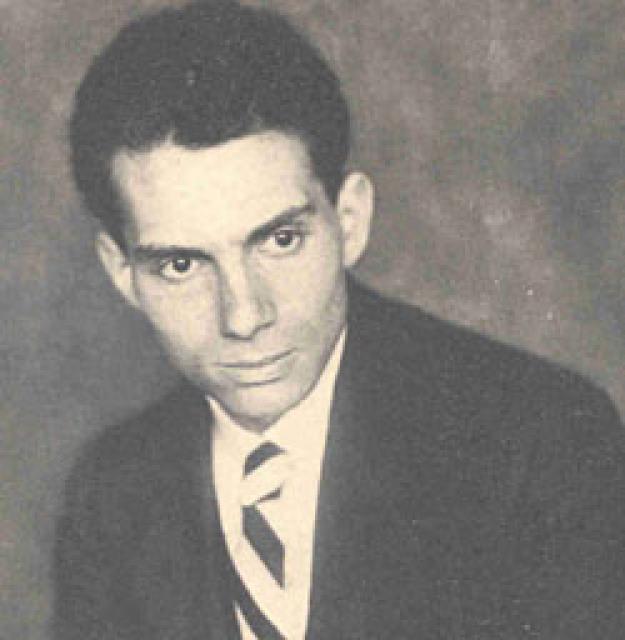
Walter Hasenclever
 Germany
- Hermann Kasack: A Life of Literary Expression and Resistance
- Literary Emergence
- War and Dissent
- Prolific Playwright
- Exile and Persecution
- Tragic End
- Legacy
Hermann Kasack: A Life of Literary Expression and Resistance
Early Life and EducationHermann Kasack was born in 1890 in Aachen, Germany, to a physician. In 1908, he began studying law at Oxford University, later transferring to Lausanne. During his years in Leipzig (1909-1914), his passion for literature and philosophy blossomed.
Literary Emergence
Kasack's literary debut came in 1910 with his collection of poems, "Cities, Nights, and People." In 1914, he premiered his play "The Son," widely considered the first work of expressionist drama.
War and Dissent
Initially enthusiastic about World War I, Kasack's sentiments soon turned to protest. He volunteered for service but was discharged in 1917 after feigning mental illness. Meanwhile, he received the prestigious Kleist Prize for his translation of Sophocles' "Antigone."
Prolific Playwright
In the 1920s, Kasack continued to write several plays. However, his artistic freedom was curtailed during the Nazi regime, and his works were banned and burned.
Exile and Persecution
Forced into exile, Kasack emigrated to Nice, France. There, he married and faced further adversity during World War II, being interned by the French as an enemy alien.
Tragic End
On the night of June 21-22, 1940, following the fall of France, Kasack committed suicide in an internment camp near Aix-en-Provence rather than face the horrors of Nazi persecution.
Legacy
Hermann Kasack's memory lives on through the prestigious Hermann Kasack Literary Prize, awarded biennially in Aachen since 1996. His works, marked by expressionist intensity and an unwavering resistance to tyranny, continue to resonate with readers and inspire literary expression.



