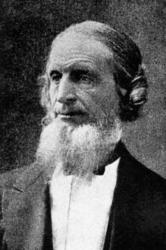
Wilhelm Van der Gucht
- Early Life and Education
- Artistic Beginnings
- Solo Architectural Career
- Military Service and Government Work
- Post-Revolutionary Career
- Later Years and Legacy
Early Life and Education
Born in Odessa on February 18 (March 3), 1876, Vladimir Ivanovich van der Gucht came from a family with a strong engineering background. After graduating from the preparatory училище, he pursued architecture at the Odessa Society of Fine Arts.
Artistic Beginnings
Van der Gucht's practical experience began in the field of topography and fortification. He served in the army from 1896-1897 and worked as a foreman in civil construction in 1898. That same year, he enrolled in the architectural faculty of the Higher Art Academy at the Imperial Academy of Arts.
Solo Architectural Career
In 1904, van der Gucht graduated and received the title of architect. He joined the St. Petersburg Society of Architects the same year. Despite his short independent practice, which lasted only 10 years (1905-1915), van der Gucht left a significant mark on the city. He constructed numerous residential, public, and industrial buildings in the style of late eclecticism and Art Nouveau, which continue to be important architectural landmarks.
Military Service and Government Work
Mobilized into the army in 1915, van der Gucht oversaw hydraulic engineering projects for the Northern Front. This work continued until 1917. In the following years, he held various architectural positions at institutions including the Central Information Bureau and the Russian Mutual Credit Society.
Post-Revolutionary Career
Van der Gucht's post-revolutionary career was marked by engineering roles in various Leningrad enterprises. He worked at the Vera Slutskiy factory, the Kirov Plant, and the Proletarskaya Pobeda plant. His final position was as chief technical director at the Metal Products Plant on Vasilyevsky Island, where he continued to work during the Leningrad Blockade.
Later Years and Legacy
Forced to leave his job in late 1942 due to health problems, van der Gucht passed away from dystrophy on December 3, 1943. He was buried at the Serafimovskoye Cemetery. Van der Gucht's architectural contributions continue to shape the cityscape of St. Petersburg, testament to his skill and dedication.