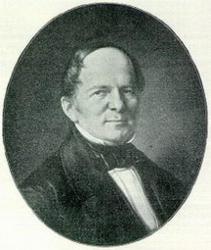
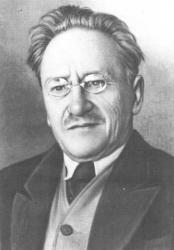
Gudjon Samuelsson
 Iceland
- Early Life and Architectural Training
- Pioneer of Icelandic Architecture
- Notable Projects and Innovations
- Urban Planning and Zoning
- Legacy and Impact
Early Life and Architectural Training
Guðjón Samúelsson was born in Iceland on 20th March 1887. From a young age, he exhibited a keen interest in architecture and construction. Samúelsson's architectural journey began in 1905 when he enrolled in the Royal Danish Academy of Fine Arts in Copenhagen, where he studied under renowned architects Martin Borch and Christian Hansen.
Pioneer of Icelandic Architecture
After graduating from the academy in 1914, Samúelsson returned to Iceland and established his architectural practice. He became a leading figure in the development of Icelandic architecture, incorporating traditional Icelandic elements with modern architectural principles. His work sought to create buildings that were not only functional but also reflective of the unique Icelandic landscape and culture.
Notable Projects and Innovations
Throughout his career, Samúelsson designed numerous notable buildings, including:
- University of Iceland (1936):A modern and functional complex that became a cornerstone of higher education in Iceland.
- Akureyri Church (1940):A striking cathedral known for its unique blend of Gothic and Romanesque influences.
- Reykjavík Catholic Church (1937):A symbol of the Catholic faith in Iceland, featuring a distinctive twin-towered facade.
- Hallgrímskirkja (1937-1986):Samúelsson's most iconic work, a towering church that evokes the shape of Icelandic mountains.
Urban Planning and Zoning
Beyond his architectural designs, Samúelsson also made significant contributions to urban planning and zoning. He was a strong advocate for the separation of residential and administrative areas in cities. This zoning approach, which he implemented in the general plan for Akureyri, aimed to create more organized and functional urban environments.
Legacy and Impact
Guðjón Samúelsson's architectural legacy continues to shape the built environment of Iceland. His buildings stand as testaments to his innovative spirit and his commitment to blending tradition with modernity. His work has inspired generations of Icelandic architects and has made a lasting impact on the nation's architectural identity. Samúelsson is widely recognized as one of the most influential figures in Icelandic architectural history.