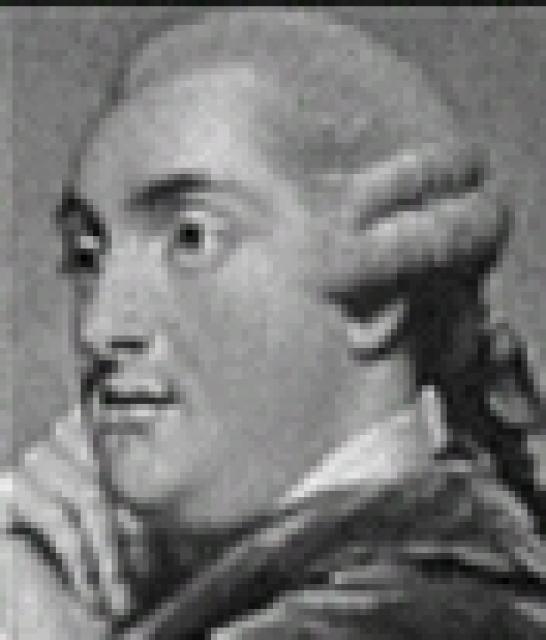
William Bentink
 Russia
- Early Military Career
- Service in India
- Peninsular War and Diplomacy
- Peninsula and Italy
- Congress of Vienna and Diplomatic Service
- Governor-General of India
- Legacy
William Cavendish-Bentinck: A Life of Military and Diplomatic Distinction
William Cavendish-Bentinck, a distinguished military and diplomatic figure, was born into a lineage hailing from both Germany and England.
Early Military Career
In 1791, Cavendish-Bentinck joined the 2nd Light Dragoons and rose through the ranks rapidly. By 1794, he had attained the rank of Lieutenant Colonel in the 24th Light Dragoons. He participated in the Duke of York's expedition to Holland and served as a liaison to General Suvorov in Italy in 1799.
Service in India
In 1803, Cavendish-Bentinck was appointed Governor of Madras and Director of the East India Company. He demonstrated administrative acumen but also allowed for the creation of a potential threat from Afghan tribes on the borders of India.
Peninsular War and Diplomacy
Returning to England in 1808, Cavendish-Bentinck was promoted to Major General and dispatched to Portugal to join General Barrarard's staff. He commanded a brigade at the Battle of Corunna and later served as a diplomatic envoy to the Spanish junta.
Peninsula and Italy
Cavendish-Bentinck became a Lieutenant General and commanded a division under General Wellington. He accompanied King Ferdinand IV to Sicily in 1811 and was appointed Commander-in-Chief of British forces there in 1812. His successful campaigns against Marshal Suchet in Catalonia earned him a reputation as a skilled commander.
Congress of Vienna and Diplomatic Service
In 1814, Cavendish-Bentinck led a corps in Tuscany and participated in the liberation of Italy. He attended the Congress of Vienna and served in diplomatic roles in Rome from 1814 to 1827.
Governor-General of India
In 1827, Cavendish-Bentinck was appointed Governor-General of Bengal and, in 1833, the first British Governor-General of India. He initiated important reforms in India, including ending the practice of sati.
Legacy
Cavendish-Bentinck retired in 1835 and passed away in 1839. His son, John Arthur, succeeded him as Duke of Portland, continuing the family's legacy in public service. Throughout his life, Cavendish-Bentinck displayed remarkable abilities as a military leader, diplomat, and administrator, leaving an enduring mark on history.


