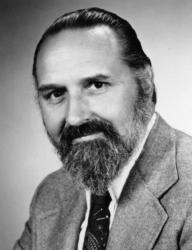
William Hooker
 Great Britain
- Early Life and Education
- Icelandic Expedition and Scientific Publications
- Career and Herbalism
- Professorship and Founding of Institutions
- Royal Botanic Gardens, Kew
- Legacy and Family
Early Life and Education
William Hooker was an English botanist and the first director of the Royal Botanic Gardens at Kew. Born in Norwich in 1785, he initially studied natural history, specializing in ornithology and entomology. Inspired by Sir James Edward Smith, he shifted his focus to botany.
Icelandic Expedition and Scientific Publications
In 1809, Hooker embarked on his first botanical expedition to Iceland. However, a fire on his return voyage destroyed his collected specimens, notes, and drawings, leading to the publication of only a report on Iceland's inhabitants and flora.
Career and Herbalism
Hooker's collaboration with botanist William Curtis culminated in a revised edition of "Flora Londinensis," where he provided descriptions. He also contributed to Alexander von Humboldt and Aimé Bonpland's "Plantae cryptogamicae" and published "Muscologia," a comprehensive overview of British and Irish mosses. His herbarium gained worldwide recognition among botanists.
Professorship and Founding of Institutions
In 1820, Hooker became the Professor of Botany at the University of Glasgow. He published "Flora Scotica," which combined natural and artificial systematics. With Thomas Hopkirk, he advocated for the establishment of the Royal Botanic Institution and Botanic Garden in Glasgow.
Royal Botanic Gardens, Kew
In 1841, Hooker became the director of the Royal Botanic Gardens at Kew. Under his leadership, the garden expanded significantly, with new greenhouses, an arboretum, and a museum of botany. It became a renowned center for the study of global flora.
Legacy and Family
Hooker's son, Joseph Dalton Hooker, followed in his father's footsteps as an eminent botanist and succeeded him as the director of Kew. Hooker also continued to edit "Botanical Magazine" and founded several botanical journals. His contributions to taxonomy and the development of botanical institutions have left an enduring mark on the scientific community.