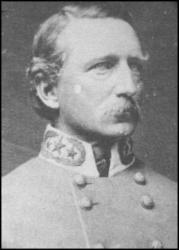
Yakov Slashov
 Russia
- Early Life and Military Education
- Service in the Imperial Army
- White Army Career
- Return to Soviet Russia
- Arrest and Death
Early Life and Military Education
Born in 1885, Yakov Alexandrovich Slashchov graduated from the Pavlovsk Military College in 1905 and the Nikolaev General Staff Academy in 1911. Despite his military accomplishments, his low average score barred him from the General Staff.
Service in the Imperial Army
Slashchov joined the Leib-Guard Finland Regiment, where he served in various roles, including company commander, battalion commander, and assistant regiment commander. He actively participated in World War I, receiving numerous wounds and commendations, including the Order of St. George in 1915 and 1916.
White Army Career
In 1917, Slashchov commanded the Moscow Guard Regiment. After the October Revolution, he joined the Volunteer Army in December 1917. He served as an emissary to the North Caucasus, creating officer organizations. Later, he held various штаб (staff) positions, including Chief of Staff to Colonel A.G. Shkuro's partisan detachment and the 2nd Kuban Cossack Division.
In September 1918, Slashchov became the commander of the Kuban Plastun Brigade within the 2nd Division of the Volunteer Army. He commanded the 1st Separate Kuban Plastun Brigade and the 4th and 5th Division Brigades, rising to the rank of Lieutenant General in 1920.
Return to Soviet Russia
During the Russian Civil War, Slashchov served as commander of the 3rd Army Corps and later the 2nd Army Corps under General Wrangel. After the evacuation from Crimea in 1920, he publicly criticized Wrangel's leadership in Constantinople. Dismissed from service by a court of honor, Slashchov returned to Russia in 1921 and appealed to former soldiers to do the same.
Arrest and Death
In 1929, Slashchov was arrested and reportedly killed in a shooting at the "Vystrel" school for Red Army officers. The timing of his death coincides with a wave of repressions targeting former White Army officers. His memoirs, "Crimea in 1920," were published posthumously in 1924.