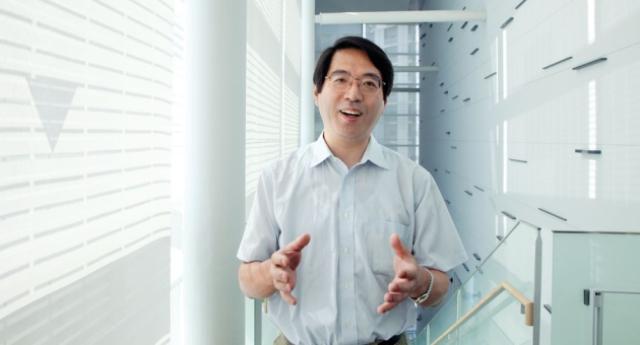
Yoshiki Sasai
 Japan
Japan- Yoshiki Sasai: A Prominent Scientist
- Academic Career
- Groundbreaking Research
- STAP Cell Controversy
- Tragic Ending
- Legacy and Impact
Yoshiki Sasai: A Prominent Scientist
Early Life and EducationYoshiki Sasai was born in Hyogo, Japan in 1962. He obtained his medical degree from Kyoto University School of Medicine in 1986.
Academic Career
In 1996, Sasai became an assistant professor at his alma mater. Two years later, he was promoted to full professor. In 2003, he joined the RIKEN Center for Developmental Biology as the Director of the Organogenesis and Neurogenesis Group.
Groundbreaking Research
Sasai gained recognition for his innovative methods in developing organ-like constructs from stem cells. In 2010, he received the Osaka Science Prize for his research on in vitro recapitulation of brain development. In 2012, he became the first stem cell scientist to grow an optic cup from an experimental cell sample, earning the Inoue Science Award that same year.
STAP Cell Controversy
In 2014, Sasai co-authored a paper in Nature claiming to have discovered a new type of stem cell called the STAP cell. However, allegations of scientific misconduct soon emerged. In June, an independent investigation confirmed data fabrication, including the use of duplicate images.
Tragic Ending
Amidst the controversy, Sasai was found dead in the RIKEN building on August 5, 2014. He had committed suicide by hanging. The suicide notes revealed his remorse and shame over the STAP cell scandal.
Legacy and Impact
Despite the controversy, Sasai's contributions to the field of stem cell research have left a lasting impact. His pioneering work laid the groundwork for advancements in organ transplantation and regenerative medicine. However, the STAP cell scandal remains a sobering reminder of the importance of scientific integrity.


