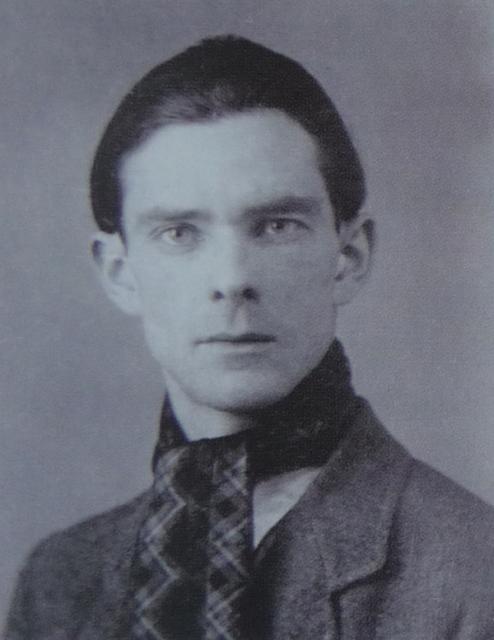
Zygmunt Waliszewski
 Poland
- Child Prodigy and Great Artist: Zygmunt Waliszewski's Life and Art
- Service and Artistic Influences
- Capist Group Years
- Devastating Diagnosis and Triumph Over Adversity
- Creative Explosion and Personal Life
- Theatrical Contributions
- Family Connections and Legacy
Child Prodigy and Great Artist: Zygmunt Waliszewski's Life and Art
Born in Tbilisi, Georgia, Zygmunt Waliszewski displayed an early passion for painting, participating in the "Magic Childhood" exhibition at the tender age of 11.
Service and Artistic Influences
During World War I, Waliszewski served in the Russian army. While living in Moscow, he affiliated with the Mir Iskusstva (World of Art) movement. In 1920, he relocated to Poland.
Capist Group Years
From 1921 to 1924, Waliszewski studied at the Kraków Academy of Fine Arts under Wojciech Weiss and Józef Pankiewicz. In 1924, he moved to Paris, where he became an active member of the Capist art group.
Devastating Diagnosis and Triumph Over Adversity
In 1930, Waliszewski was diagnosed with Buerger's disease, which resulted in the amputation of his legs and threatened the loss of his hands. Despite his illness, he persevered, returning to Poland in 1931.
Creative Explosion and Personal Life
Despite his physical limitations, Waliszewski continued to create art, producing landscapes, still lifes, portraits, and genre scenes. In 1933, he married and engaged in restoration work at the Wawel Castle.
Theatrical Contributions
In 1936, Waliszewski designed the stage set for the opera "La serva padrona" by Pergolesi. His work left a lasting legacy, showcasing the joy, vibrancy, and life that characterized his art.
Family Connections and Legacy
Waliszewski's sister, Valeria, became the second wife of Russian writer Konstantin Paustovsky. Despite his untimely death, Waliszewski's art continues to inspire and bring joy to viewers worldwide.




