Adlai Ewing Stevenson III
 USA
USA- Biography of Adlai Ewing Stevenson III
- Early Life and Education
- Military Service
- Legal and Political Career
- Senate Career
- Presidential Aspirations
- Gubernatorial Campaigns
- Later Career
Biography of Adlai Ewing Stevenson III
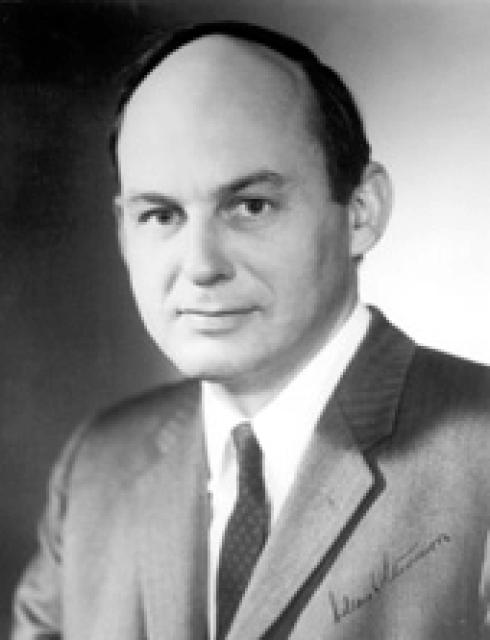
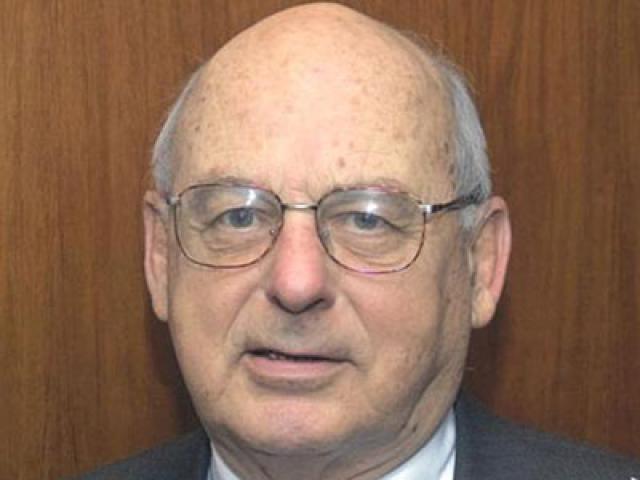
Adlai Ewing Stevenson III is an American political figure and a member of the Democratic Party. He served as the representative for the state of Illinois in the United States Senate from 1970 to 1981.
Early Life and Education
Adlai was born in Chicago, Illinois. He attended Milton Academy in Massachusetts, Harrow School in England, and Harvard College. In 1957, Stevenson graduated from Harvard with a law degree.
Military Service
In 1952, Adlai became a lieutenant in the United States Marine Corps and served in Korea. He was discharged from active duty in 1954 but remained a captain in the Marine Corps Reserve until 1961.

Legal and Political Career
In 1957, Stevenson became a clerk in the Illinois Supreme Court. After a year, he joined the law firm 'Brown and Platt' in 1958. In 1964, Stevenson was elected to the Illinois House of Representatives, where he served from 1965 to 1967. He then became the official treasurer of the state of Illinois in 1967.
Senate Career
In 1969, following the death of Senator Everett Dirksen, Stevenson successfully ran in the special elections against Ralph Tyler Smith and secured 58% of the votes. He was re-elected in 1974 but announced in 1980 that he would not seek re-election.
Presidential Aspirations
In 1976, Chicago Mayor Richard J. Daley urged Stevenson to run for president, but he declined and instead attempted to become the vice president. The position eventually went to Minnesota Senator Walter Mondale.
Gubernatorial Campaigns
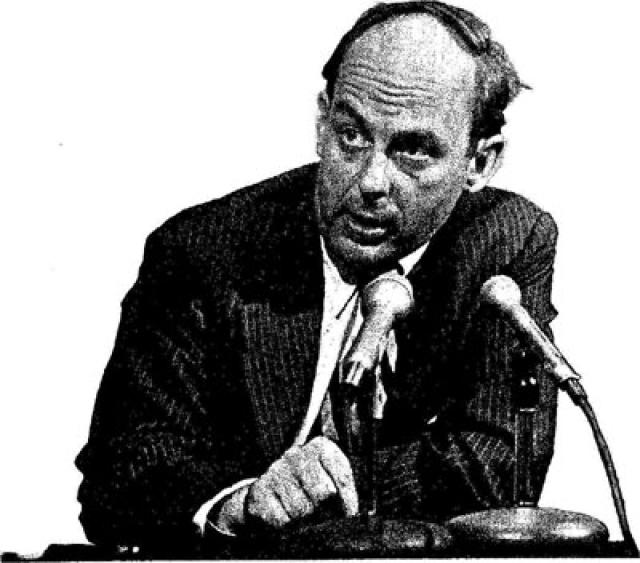
In 1982 and 1986, Stevenson ran for governor of Illinois but was defeated both times by James R. Thompson. In 1982, initial counts showed Stevenson as the winner, but a later official count revealed Thompson's victory by a fraction of a percent. Stevenson protested the results, presenting evidence of election irregularities, but the Supreme Court denied his request for a recount.
Later Career
After leaving the Senate, Stevenson pursued business ventures and worked on developing cultural relations, primarily with East Asian countries. He served as the chairman of the investment management corporation 'SC&M' and co-chairman of the first Sino-American investment bank, 'HuaMei Capital Company'. Stevenson also worked with non-profit organizations such as the 'Japan-America Society of Chicago', 'Midwest U.S.-Japan Association', and 'Midwest U.S.-China Association'. In recognition of his efforts in strengthening international relations, Stevenson was awarded the Order of the Sacred Treasure by the Japanese government.