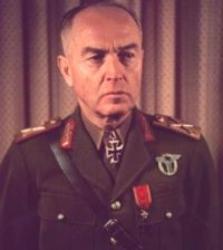
Alahan Sultan
- The Life and Reign of Alahan Sultan
- Uighur Uprising and the Ili Sultanate
- Rise to Power
- Conflict with Russia and Later Years
- Legacy
The Life and Reign of Alahan Sultan
Early Life and FamilyBorn in Kuldja to a family of Uighur officials, Alahan Sultan was a leading figure in the Uighur uprising of 1864 in the Ili region of Eastern Turkestan (present-day Xinjiang Uighur Autonomous Region of China).
Uighur Uprising and the Ili Sultanate
Along with Abdurrasul-beg and Sadyr Palwan, Alahan Sultan played a pivotal role in organizing the Uighur and Dungan rebellion in the Ili region. After the assassination of Abdurrasul-beg in 1865, Mazamzat-beg became the ruler of the newly formed Ili Sultanate. However, rivalries emerged among different Uighur factions, and tensions escalated with the Dungan community.
Rise to Power
In 1865, Alahan Sultan and Sadyr Palwan captured the Chinese fortress of Bayandai, strengthening their position. A series of conspiracies and assassinations followed, leading to the rise of Mullah Shaukat-akhun. From 1866 to 1867, Alahan's forces triumphed in several battles against the Dungans, gaining control of the entire Ili region. Subsequently, Mullah Shaukat-akhun was overthrown, and Alahan Sultan was elected Sultan by the Uighur leaders of Ili.
Conflict with Russia and Later Years
In 1871, the Ili Sultanate was occupied by Russian forces during a conflict with the Russian Empire. Alahan Sultan was exiled to Verny (present-day Almaty), where he was granted a manor with land and a lifelong pension by the Russian authorities. However, he remained under house arrest until his death.
Legacy
Alahan Sultan is buried at the Muslim cemetery in the Uighur district of Almaty, on the former lands of his manor, known as Sultan Kurgan. His legacy continues to inspire Uighur aspirations for self-determination and cultural autonomy.